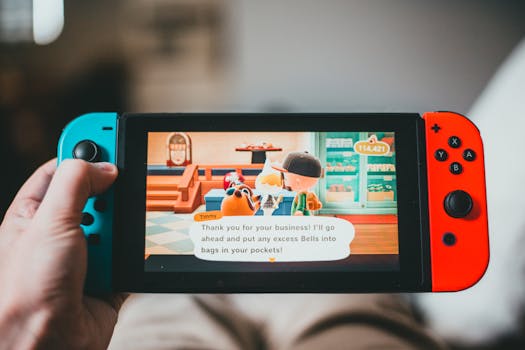
Game development is an intricate and multifaceted process, transforming a mere idea into an immersive digital experience enjoyed by players worldwide. This comprehensive journey is not only about coding and designing but also involves extensive planning, testing, and iteration. Here's a closer look at each stage of game development, highlighting the creativity and complexity involved.
Conceptualization
The genesis of every game is the conceptualization stage. It all starts with an idea. Game developers, alongside creative directors and concept artists, brainstorm to forge a compelling game concept. This stage involves exploring different themes, narratives, and gameplay mechanics. Concept artists play a vital role by bringing these ideas to visual life through sketches and storyboards, setting the foundational atmosphere and visual direction of the game.
.png)
Pre-production
Transitioning from concept to development, the pre-production phase focuses on planning and outlining the game's blueprint. This stage is crucial as it defines the scope and scale of the project. Game designers draft detailed design documents covering aspects from level design to gameplay mechanics and story arcs. Often, a prototype is created to experiment with and refine these elements, ensuring they are enjoyable and technically feasible.
Production
Entering the production phase means ramping up development efforts with artists, programmers, and designers collaborating intensively. Programmers write sophisticated code to make the gameplay mechanics a reality, while artists develop assets such as character models, textures, and animations. Sound designers also contribute significantly, crafting immersive audio landscapes that complement the visual experience. This phase is the most resource-intensive and demands excellent coordination among various teams to ensure the project remains on schedule and within budget.
Testing
Quality assurance (QA) becomes a focal point as the game nears completion. QA teams engage in thorough testing to uncover any bugs or glitches that could impair gameplay. This stage is vital for polishing the game and enhancing user experience. Feedback from this phase may lead back to production teams to refine or tweak gameplay elements, ensuring the game is as engaging and flawless as possible upon release.
Post-production
With the main development wrapped up, the game moves into post-production. This phase involves making final tweaks and preparing for launch. Marketing teams ramp up their efforts to generate buzz and anticipation among the gaming community. This might include the release of trailers, demos, and starting promotional campaigns. Additionally, developers may start working on post-launch content, such as expansions or downloadable content (DLC), to maintain player engagement after release.
Launch
The launch phase is both exhilarating and nerve-wracking for developers. After years of hard work, the game is finally released to the public. The development team closely monitors the launch to address any immediate technical issues and gather early feedback from players. Effective post-launch support is crucial as it helps maintain a positive player experience and reputation.
Continuous Improvement
The development process doesn't necessarily end at launch. Based on player feedback and ongoing market trends, teams often continue to refine the game. Regular updates, bug fixes, and new content are part of maintaining the game's relevance and keeping the community active.
Conclusion
Game development merges creativity with technical expertise, requiring a diverse range of skills and relentless dedication. Each stage, from concept to continuous improvement, plays a crucial role in determining the game's success. Understanding this process not only enhances our appreciation of the games we love but also highlights the passion and effort that developers invest in creating memorable gaming experiences. Whether you're a developer, a student of game design, or a gamer curious about the industry, recognizing the complexity of game development can deepen your appreciation and connection to the gaming world.