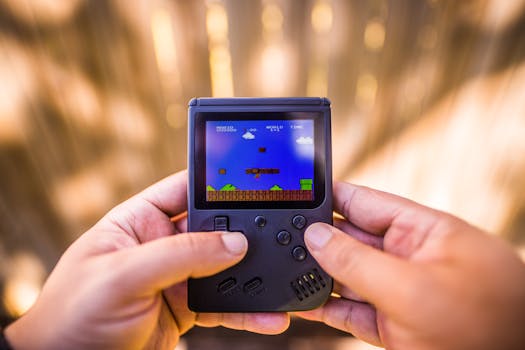
The Evolution of Video Game Adaptations in Cinema
The transformation of video games into cinematic experiences represents a unique and evolving frontier in the entertainment industry. This adaptation process goes beyond mere replication of the game’s storyline, requiring a creative reimagination to fit the non-interactive medium of film.
The Challenge of Interactivity Loss
.png)
At the heart of every video game is its interactivity—players have the control to influence outcomes and explore narratives at a personalized pace. When these games are adapted into films, this element of player agency is inherently lost. Filmmakers are tasked with the challenge of translating these dynamic, choice-driven narratives into a linear format that maintains the essence and appeal of the original games.
Early Adaptations and Learning Curves
The 1993 film "Super Mario Bros." serves as a notable example of the initial challenges faced in video game adaptations. Its failure critically and at the box office set a dubious tone for future endeavors. Despite such setbacks, the industry continued to experiment and learn from past mistakes, leading to more sophisticated approaches in later adaptations.
Success Stories
Franchises like "Tomb Raider" and "Resident Evil" demonstrate successful adaptations that not only stayed true to the original games but also expanded their universes in ways that appealed to both gamers and non-gamers alike. These films showed that with a thoughtful approach, video game adaptations could indeed be successful both critically and commercially.
Key Considerations in Adapting Video Games
- Narrative Structure: Video games often feature complex, multi-layered stories that unfold over extended periods, which must be condensed into the timeframe of a film. This requires screenwriters to distill the core story elements and focus on a cohesive main narrative arc.
- Character Development: Unlike games, where players develop connections with characters through hours of interaction, films must establish these relationships quickly. Filmmakers need to ensure characters are well-developed and relatable, with clear motivations that resonate with audiences.
- Visual Fidelity: Given the high-quality graphics and immersive worlds of modern video games, expectations for visual effects in movies are exceedingly high. Advanced CGI and filmmaking techniques play a critical role in recreating the visual spectacle of video games on the big screen.
- Cultural Impact: Many video games come with dedicated fanbases whose expectations can significantly influence the reception of a film adaptation. Balancing fidelity to the original material while making the film accessible to newcomers is a delicate task.
Future Prospects
As technology advances, particularly with the rise of virtual and augmented reality, new opportunities are emerging for making film adaptations even more immersive and true to their original video game formats. This progression promises a future where the lines between playing a game and watching a movie may blur, creating novel experiences for audiences worldwide.
Conclusion
Adapting video games to film involves a nuanced balance of respecting the original material while crafting an engaging cinematic experience. As this genre continues to develop, the potential for groundbreaking adaptations grows. Success in this arena depends on a deep understanding of both mediums and a creative approach to storytelling that honors the beloved worlds and characters of video games.