Gaming has evolved far beyond a casual pastime. Today’s competitive gamers—whether aspiring professionals or dedicated enthusiasts—are acutely aware that peak performance isn’t just about reflexes and strategy. Nutrition plays a critical, often underestimated role in maximizing mental focus, reaction time, and stamina during long gaming sessions. If you’re looking to take your gaming to the next level, planning your diet with purpose is a powerful way to gain a real-world edge. This comprehensive guide explores how to properly plan your diet for maximum gaming performance, revealing science-backed strategies, practical meal timing advice, and actionable tips you won’t find in typical “gaming snack” lists.
The Science Behind Diet and Gaming Performance
Before mapping out a diet plan, it’s essential to understand how nutrition impacts your brain and body during gaming. Unlike traditional sports, esports and competitive gaming demand sustained mental alertness, rapid decision-making, and fine motor skills. According to a 2021 study published in the journal $1, cognitive performance can drop by up to 30% after just two hours of intense gaming if energy and hydration needs aren’t met.
The brain, which consumes about 20% of the body’s energy, relies heavily on glucose derived from carbohydrates for optimal function. Meanwhile, protein supports neurotransmitter production and muscle maintenance (important for posture and hand stability), and healthy fats contribute to sustained energy and neural health. Micronutrients—such as B vitamins, magnesium, and zinc—are also vital for focus and mood regulation.
.png)
Key Fact: A 2022 survey by the British Esports Association found that 66% of competitive gamers experienced noticeable declines in performance during tournaments due to poor dietary habits or dehydration.
Macronutrient Balance: Fueling Focus, Speed, and Stamina
Crafting your gaming diet begins with understanding macronutrients—carbohydrates, proteins, and fats—and how the right balance can optimize your gameplay.
Carbohydrates: Not all carbs are created equal. Complex carbohydrates (like whole grains, oats, and sweet potatoes) provide a steady release of glucose, preventing the energy crashes associated with sugary snacks. For example, swapping white bread for whole-grain bread can extend mental stamina by up to 20%, according to a 2020 study from the University of Leeds.
Proteins: Lean proteins, such as chicken, tofu, fish, and legumes, are crucial for muscle repair (especially hand and arm muscles used during gaming) and neurotransmitter production. Amino acids from protein help synthesize dopamine and serotonin, which help regulate mood and focus under pressure.
Fats: Healthy fats are essential for brain health and long-lasting energy. Avocados, nuts, seeds, and fatty fish like salmon are excellent choices. Omega-3 fatty acids, in particular, have been shown to boost reaction times and memory recall—a 2018 meta-analysis found a 10% improvement in cognitive processing speed in participants supplementing with omega-3s.
Here’s a quick comparison of typical “gamer foods” versus optimized choices:
| Food Type | Typical Choice | Optimized Choice | Performance Impact |
|---|---|---|---|
| Carbohydrate | Soda/White Bread | Oatmeal/Whole Grain Bread | Stable blood sugar, sustained focus |
| Protein | Processed Meat Snacks | Grilled Chicken, Lentils | Improved neurotransmitter support |
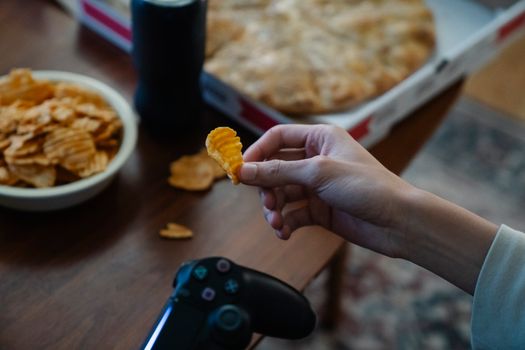
| Fats | Potato Chips | Almonds, Walnuts | Enhanced brain health, better stamina |
| Beverage | Energy Drink | Water with Electrolytes | Reduced jitters, better hydration |
Strategic Meal Timing for Extended Gaming Sessions
When you eat can be just as important as what you eat. Many gamers overlook meal timing, yet it’s pivotal for maintaining consistent energy and minimizing distractions during play.
Pre-Gaming Meals: Aim for a balanced meal 1.5 to 2 hours before your session. Combine complex carbs, lean proteins, and healthy fats to create a slow-digesting meal that sustains you. For example, brown rice with grilled chicken and steamed vegetables is ideal.
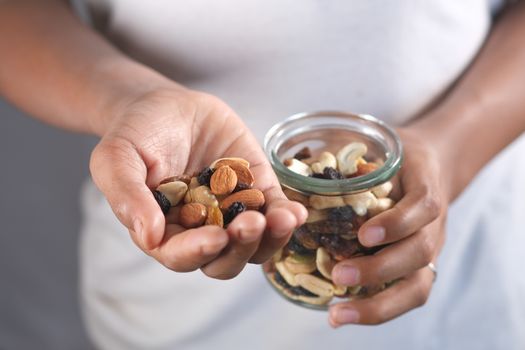
During Gaming: If your session lasts longer than two hours, small, nutrient-dense snacks can keep you sharp. Choose snacks that combine carbs and protein—such as Greek yogurt with berries or a handful of trail mix—to avoid sugar crashes. Hydration is critical here; even mild dehydration can reduce concentration by 13%, according to the European Journal of Clinical Nutrition.
Post-Gaming Recovery: After a marathon session, your body needs to replenish glycogen stores and repair muscle tissue. A recovery meal or shake with a 3:1 ratio of carbs to protein (such as a banana smoothie with whey protein) aids both brain recovery and physical resilience.
Sample Meal Timing Schedule:
- 2 hours pre-gaming: Whole-grain turkey sandwich, salad, and water - During gaming: Mixed nuts or carrot sticks, sips of water every 20 minutes - Post-gaming: Recovery shake or bowl of oatmeal with protein powderThe Role of Micronutrients and Supplements in Gaming
While macronutrients form the foundation, micronutrients are the unsung heroes of gaming nutrition. Deficiencies in key vitamins and minerals can quietly sabotage your performance.
B Vitamins: Essential for energy metabolism and mental clarity. A 2019 study in $1 found that gamers with adequate B12 and B6 levels scored 15% higher in attention-based gaming tasks.
Magnesium: Supports nerve function and helps prevent muscle cramps from long periods of sitting. Foods like spinach, pumpkin seeds, and dark chocolate are excellent sources.
Zinc: Vital for memory formation and reaction time; oysters, beef, and chickpeas are rich in zinc.
Supplements: While whole foods are best, certain supplements can complement a gamer’s diet. Omega-3 capsules, vitamin D (for those gaming indoors), and electrolyte tablets can be helpful. However, always consult a health professional before adding new supplements, especially if you’re under 18.
Hydration Strategies for Peak Cognitive and Physical Performance
Hydration is often overlooked in esports, but its impact is profound. The brain is approximately 75% water, and even a 1% drop in hydration can lead to a 5% decrease in cognitive function.
Key Fact: A study at Loughborough University found that dehydrated gamers made 12% more mistakes in fast-paced games compared to hydrated peers.
Water should be your primary beverage, but you can also include herbal teas or diluted electrolyte drinks during intense or long sessions. Avoid excessive caffeine and sugar-laden beverages, which can cause energy spikes and crashes.
Practical hydration tips:
- Start hydrated: Drink 500ml (about 17 ounces) of water 30 minutes before gaming. - Keep water within arm’s reach during play. - Set reminders to take a sip every 15-20 minutes. - Monitor urine color—a pale straw color indicates proper hydration.Building a Personalized Diet Plan for Your Gaming Goals
No two gamers are identical. Your optimal diet depends on your age, metabolism, gaming schedule, and specific goals (e.g., reaction time, endurance, mood stability). Here’s how to create a plan tailored to you:
1. Assess Your Schedule: Map out your typical gaming times and session lengths. 2. Identify Performance Gaps: Do you struggle with energy crashes, distraction, or mood swings? 3. Set Nutrition Priorities: Focus on meals and snacks that address your specific needs—extra protein for long sessions, more slow-release carbs for marathon gaming, or hydrating foods for late-night play. 4. Experiment and Track: Try different meal timings and food combinations, and note how you feel and perform. Apps like MyFitnessPal or Cronometer can help track nutrition and energy levels. 5. Adjust as Needed: Fine-tune your plan based on results. If you notice improved focus after adding more leafy greens or swapping soda for water, keep it up.Sample One-Day Gaming Nutrition Plan:
- Breakfast: Oatmeal with blueberries and walnuts - Lunch: Quinoa salad with chickpeas, feta cheese, and mixed greens - Pre-gaming snack: Low-fat yogurt with a sliced banana - During gaming: Small handful of almonds and water - Post-gaming meal: Grilled salmon, sweet potato, and steamed broccoliUnlocking Your Full Gaming Potential Through Smart Diet Planning
Properly planning your diet isn’t about rigid rules or bland meals—it’s about fueling your brain and body to reach new heights in gaming performance. From macronutrient balance and strategic meal timing to the critical role of micronutrients and hydration, every choice you make at the table can translate into sharper focus, faster reactions, and greater endurance on-screen. By personalizing your nutrition strategy, tracking your results, and making gradual improvements, you’ll not only boost your gaming achievements but also support your overall health and well-being.