The history of handheld gaming is a fascinating chronicle of innovation and cultural adaptation, reflecting broader trends in technology and entertainment. From the rudimentary LED displays of the 1970s to the sophisticated hybrid systems of today, handheld gaming devices have continually evolved to meet the demands of gamers on the go.
The Early Years: 1970s-1980s
The journey began in 1976 with Mattel's Auto Race, which, despite its simplicity, introduced the concept of portable electronic entertainment. However, it was Nintendo's Game & Watch series in 1980 that truly set the stage for the future of handheld gaming. These devices were not only portable but also incorporated a clock and an alarm, showcasing multi-functionality that was ahead of its time.
.png)
The Game Boy Era
1989 saw the launch of Nintendo's Game Boy, a landmark event in handheld gaming history. The Game Boy's compact design, durability, affordable price, and interchangeable cartridges made it a massive success. It became synonymous with portable gaming, thanks in part to its iconic titles like Tetris and Pokémon. The evolution continued with the Game Boy Color and Game Boy Advance, which introduced color graphics and enhanced processing power.
Rise of Competitors and Technological Advancements: 1990s-2000s
The late 1990s and early 2000s marked a period of intense competition and innovation. Sony's entry with the PlayStation Portable (PSP) in 2004 brought multimedia capabilities and high-quality graphics to the handheld gaming market. Meanwhile, Nintendo's DS, launched in the same year, featured dual screens and touch interaction, pushing the boundaries of how games could be played.
Impact of Mobile Devices
The release of the iPhone in 2007 and the App Store in 2008 significantly altered the landscape of handheld gaming. Mobile phones and tablets, equipped with powerful processors and extensive app ecosystems, became viable platforms for gaming. Titles like Angry Birds and Candy Crush Saga demonstrated that mobile devices could deliver engaging gaming experiences to a broad audience.
Current Trends and Future Prospects
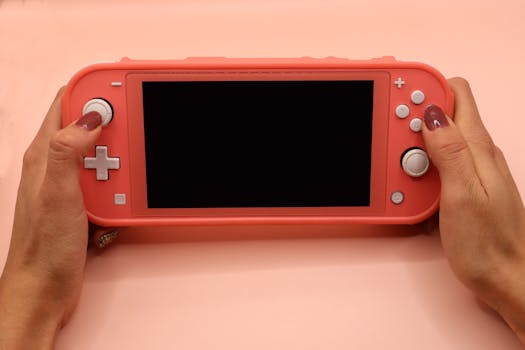
Despite the dominance of mobile gaming, dedicated handheld consoles continue to find their niche. Nintendo's Switch, introduced in 2017, has been particularly successful, offering both mobile and home gaming experiences in a single device. This hybrid model has catered to the versatile needs of modern gamers and has led to significant sales and a strong library of games.
Looking to the future, handheld gaming devices are likely to incorporate even more advanced technologies such as augmented reality and cloud-based gaming. These innovations will continue to reshape how and where we play games, ensuring that handheld gaming remains an integral part of the entertainment landscape.
Conclusion
The evolution of handheld gaming devices is a testament to the industry's resilience and its ability to adapt to new technologies and shifting consumer preferences. As we anticipate future developments, it is clear that handheld gaming will continue to evolve, captivating new generations of gamers around the world. Whether through state-of-the-art technology or by invoking nostalgia with classic re-releases, the journey of handheld gaming is sure to offer exciting new chapters in the years to come.