The history of gaming consoles is a fascinating tale of innovation and evolution, illustrating how rapidly technology can progress and how it shapes our entertainment options. From the early days of the Magnavox Odyssey to the sophisticated systems of today like the PlayStation 5 and Xbox Series X, each generation of consoles has brought new capabilities and has expanded the role of gaming in popular culture.
In the early 1970s, the Magnavox Odyssey introduced the concept of interactive entertainment at home—a revolutionary idea at the time. This primitive system used simple graphics and minimal interaction but sparked the imagination of millions and paved the way for more sophisticated systems.
The late 1970s and early 1980s were defined by Atari and its iconic Atari 2600. This system popularized cartridge-based gaming, allowing players to collect and swap games, significantly enhancing the gaming experience. Atari not only advanced the technology behind gaming consoles but also helped establish video gaming as a popular hobby.
.png)
The mid-1980s to early 1990s was dominated by the console wars between Nintendo and Sega. Nintendo's NES brought us classics like "Super Mario Bros." and "The Legend of Zelda," endearing itself to a whole generation and becoming a cultural phenomenon. Sega, meanwhile, targeted an older audience with the Sega Genesis, which featured more mature content and sported superior graphics and sound capabilities compared to its competitors at the time.
Entering the mid-1990s, the gaming industry saw another leap in technology with Sony’s PlayStation and the Nintendo 64. The PlayStation was particularly revolutionary for its use of CDs instead of cartridges, which allowed for greater storage and thus more complex games. The Nintendo 64, while still using cartridges, impressed gamers with its 3D graphics capabilities, a significant step forward in visual quality.
The late 1990s and early 2000s marked the advent of the sixth-generation consoles, with Sony's PlayStation 2, Microsoft's Xbox, and Nintendo’s GameCube. The PlayStation 2 stood out for its DVD playback feature, broadening its use beyond just gaming and contributing to its status as the best-selling console of all time. The introduction of Microsoft's Xbox brought a strong new player into the mix, renowned for its powerful hardware and online gaming capabilities through Xbox Live.
With the arrival of the seventh generation, including the Xbox 360, PlayStation 3, and Nintendo Wii, the industry saw massive strides in digital distribution and motion-controlled gaming. The Nintendo Wii, in particular, expanded the market by appealing to a non-traditional gaming audience with its innovative Wii Remote controller.
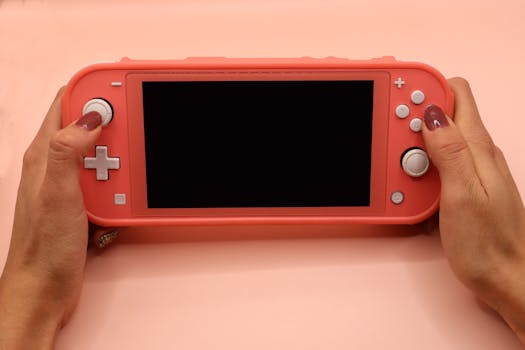
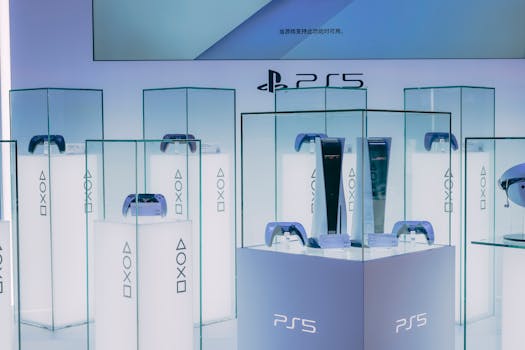
Today, the latest generation of consoles continues to impress with state-of-the-art technology. The PlayStation 5 and Xbox Series X push the limits of processing power and graphics performance, offering near-photorealistic visuals and reduced loading times. The Nintendo Switch has carved a niche with its hybrid design, functioning both as a portable and a home console, thereby offering unmatched versatility.
The evolution of gaming consoles illustrates not just technological advancement but also a shift in how entertainment is consumed and understood. It reflects broader changes in media consumption, with consoles now serving as all-in-one entertainment hubs that offer everything from video streaming to virtual reality experiences.
As we look to the future, the trajectory of console gaming seems geared towards even more immersive experiences, with advancements in cloud gaming, virtual reality, and AI potentially playing significant roles. Whatever the future holds, the history of gaming consoles assures us that innovation and transformation in this space will continue, much to the delight of gamers worldwide.