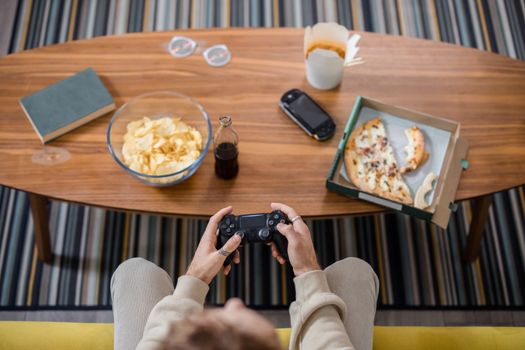
Long gaming sessions are a cornerstone of modern gaming culture, whether you’re an esports competitor, a streamer, or just someone who loves to dive deep into immersive worlds. But spending hours in front of a screen can take a toll on your body, especially your back, neck, and wrists. The good news? Setting up your gaming chair properly can dramatically reduce discomfort and lower your risk for chronic pain. In this guide, we’ll explore how to optimize your gaming chair for healthy sitting, the science behind ergonomic choices, and actionable steps to make sure your marathon sessions are as healthy as they are fun.
The Science Behind Healthy Sitting for Gamers
Before adjusting your gaming chair, it’s essential to understand why proper setup matters. According to the Centers for Disease Control and Prevention (CDC), adults spend an average of six to eight hours a day sitting, and for gamers, this number can be even higher. Prolonged sitting, especially with poor posture, has been linked to increased risk of back pain, carpal tunnel syndrome, and even cardiovascular issues.
A 2019 study in the journal "Ergonomics" found that up to 65% of regular PC gamers report experiencing back or neck discomfort after long sessions. The culprit? Poor chair setup and posture that puts unnecessary strain on the spine and muscles. By setting up your chair and workstation correctly, you can significantly reduce these risks.
.png)
Essential Features of a Healthy Gaming Chair
Not all gaming chairs are created equal. When choosing a chair or preparing to set up your existing one, pay attention to these key ergonomic features:
1. $1 Proper lower back support maintains the natural curve of your spine. Chairs with adjustable lumbar pillows or built-in lumbar support are ideal. 2. $1 Your arms should rest comfortably, with your elbows at a 90-degree angle, to prevent shoulder and wrist strain. 3. $1 Your feet should rest flat on the floor, and there should be a small gap (about 2-3 inches) between the back of your knees and the seat. 4. $1 A recline feature of 90-135 degrees allows you to lean back, reducing pressure on your spine during breaks. 5. $1 A headrest supports your neck during longer periods of play, minimizing neck strain.Chairs that lack these features can contribute to discomfort, poor circulation, and even long-term musculoskeletal problems.
Step-by-Step Guide: Adjusting Your Gaming Chair
Once you have a chair with the right features, follow these steps to set it up for healthy sitting:
1. $1 Adjust the seat so your feet rest flat on the floor and your thighs are parallel to the ground. Knees should be at hip level or slightly below. For most adults, this means a seat height of 16-21 inches from the floor. 2. $1 Slide the seat so there’s a 2-3 inch gap behind your knees. This improves circulation and reduces pressure on the backs of your legs. 3. $1 Move the lumbar cushion or built-in support so it fits the natural curve of your lower back. You should feel gentle support, not a hard push. 4. $1 Raise or lower the armrests so your elbows are at a 90-degree angle and your shoulders are relaxed. The armrests should support, not lift, your arms. 5. $1 For active gaming, use a 90-100 degree upright position. For breaks or watching streams, recline to 120-135 degrees to relieve spinal pressure. 6. $1 If your chair has a headrest, position it so it cradles the base of your skull, reducing neck fatigue.Optimizing Your Entire Gaming Setup for Health
A chair is just one part of the equation. To truly support healthy gaming, consider these additional elements:
- $1 Your eyes should be level with the top third of the screen, about 20-28 inches from your face. This reduces neck strain. - $1 The desk should allow your forearms to rest parallel to the floor when typing or using a mouse. - $1 Keep these close to your body so you don’t reach forward, which can strain your shoulders. - $1 If your feet don’t touch the floor, use a footrest to maintain proper posture. - $1 Good lighting reduces eye strain and encourages you to sit upright.A 2022 survey by the National Ergonomics Association found that 72% of gamers who optimized their entire setup (not just their chair) reported less pain and fatigue during long sessions.
Healthy Sitting Habits: What the Pros Do Differently
Professional gamers and streamers spend countless hours sitting, but many have learned how to minimize health risks through smart habits. Here are some best practices from the pros:
- $1 Stand, stretch, and walk around for 5-10 minutes every hour. Set a timer to remind yourself. - $1 Shift positions occasionally. Lean back, sit upright, or change your leg position to keep your muscles active. - $1 Incorporate simple stretches for your back, neck, and wrists during breaks. Research from the University of California shows that stretching reduces muscle fatigue by up to 35%. - $1 Keep water nearby and stay hydrated. Dehydration can worsen muscle stiffness. - $1 Use posture-check apps or sticky notes to remind you to sit correctly.Comparing Ergonomic Gaming Chairs: What to Look For
With dozens of gaming chairs on the market, it’s important to know how to compare them. Here’s a look at three popular models and how their ergonomic features stack up:
| Feature | DXRacer Formula | Secretlab TITAN Evo 2024 | RESPAWN 110 |
|---|---|---|---|
| Lumbar Support | Removable pillow | Built-in adjustable | Removable pillow |
| Armrest Adjustability | 2D (height, angle) | 4D (height, angle, depth, width) | 2D (height, angle) |
| Seat Height Range | 17-21 inches | 18-22 inches | 18-20.5 inches |
| Recline Range | 90-135 degrees | 85-165 degrees | 90-155 degrees |
| Headrest Type | Removable cushion | Integrated, adjustable | Removable cushion |
| Price (USD) | $329 | $519 | $189 |
This comparison highlights why it’s worth investing in a chair with advanced adjustability and support, especially if you game for several hours at a time.
Final Thoughts on Setting Up Your Gaming Chair for Healthy Sitting
Long-term health is just as important as high scores and in-game achievements. By setting up your gaming chair with ergonomics in mind and optimizing your entire gaming environment, you can enjoy longer, more comfortable sessions without sacrificing your well-being. Remember, small adjustments—whether it’s the angle of your chair or the height of your monitor—can add up to big improvements in how you feel during and after gaming. Take the time to set up your space right, and your body will thank you for years to come.