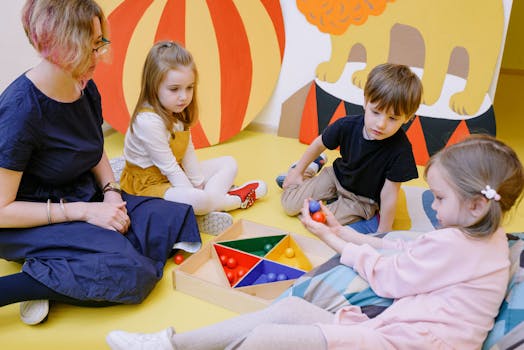
The integration of gaming into educational settings is revolutionizing how students engage with and assimilate knowledge. By harnessing the intrinsic motivational elements of gaming, educational systems can offer experiences that are not only engaging but also tailored to individual learning styles and needs.
Engaging Students in New Ways
Traditional education often struggles to maintain student engagement, particularly in an era dominated by digital interactions. Video games, known for their dynamic and immersive environments, naturally capture attention and can make learning more compelling. Games require active participation, a stark contrast to the passive learning that can dominate classroom settings. This active engagement can lead to better retention of information and a deeper understanding of the material.
.png)
Personalized Learning Experiences
One size fits all is rarely an effective approach when it comes to education. Games can be designed to adjust to varying learning speeds, offering slower-paced or more challenging content as needed. This adaptability not only helps keep all students engaged but also ensures that each learner can operate at a pace conducive to their personal learning style.
Developing Critical Skills
Many video games are built around problem-solving and strategy, skills that are directly transferable to educational subjects and real-world scenarios. By engaging in gaming, students can develop these critical thinking skills in a low-risk environment where failure is seen as a step towards mastery rather than a setback. This aspect of gaming helps cultivate a growth mindset among students, encouraging them to persist through challenges.
Making Learning Accessible and Inclusive
Games can also play a crucial role in making learning more accessible. For students with disabilities, games can offer alternative methods for engagement and interaction that are better suited to their needs. Additionally, subjects that students might find challenging or uninteresting can be transformed into fun and engaging learning experiences through gamification, helping students grasp complex concepts in a more intuitive way.
Encouraging Social Interaction
The collaborative nature of many games fosters social skills such as teamwork, communication, and empathy. Multiplayer games, in particular, require players to work together to achieve common objectives, promoting a sense of community and cooperative problem-solving.
Challenges to Overcome
Despite the potential benefits, the integration of gaming into education does not come without challenges. Ensuring the educational quality of games is paramount; not all games are designed with educational outcomes in mind. Collaboration between educators and game developers is essential to create content that is both engaging and educationally effective.
Furthermore, access to technology is a significant barrier. Educational institutions must address the digital divide that exists among students to ensure that all learners have equal opportunities to benefit from educational games.
The Future of Educational Gaming
As we continue to explore the intersection of gaming and education, it is crucial for ongoing research and development to refine and expand the ways in which educational outcomes are achieved through games. With thoughtful implementation, gaming has the potential to transform educational landscapes by making learning a more engaging, inclusive, and effective process.
In conclusion, the use of gaming in education offers numerous advantages, from enhancing engagement and personalizing learning experiences to developing essential life skills. By overcoming challenges related to content quality and access, educational gaming can continue to evolve as a significant and innovative educational tool.