Effective Collaboration in Team Games: Best Strategies for Winning Together
Whether you’re battling in a high-stakes eSports tournament, working together in a family board game night, or building alliances in a cooperative online adventure, team games are about more than just individual skill. The secret to consistent victory and enjoyment is effective collaboration. In today’s increasingly connected gaming world, knowing how to work seamlessly with others is as vital as mastering game mechanics. Let’s explore the best strategies for team games and discover how you can become the linchpin of your squad’s success.
The Power of Team Dynamics in Gaming
Team games thrive on the chemistry between players. A 2021 report by Newzoo found that 72% of multiplayer gamers cited “good teamwork” as the most satisfying aspect of playing with others. But what does effective teamwork look like in practice?
Team dynamics refer to how individuals interact, communicate, and coordinate their efforts. In games like Overwatch, League of Legends, or even classic games like Settlers of Catan, teams that communicate well and respect each other’s roles typically outperform those that don’t. A study by the University of York showed that teams with balanced roles and positive communication won 60% more matches in competitive online games.
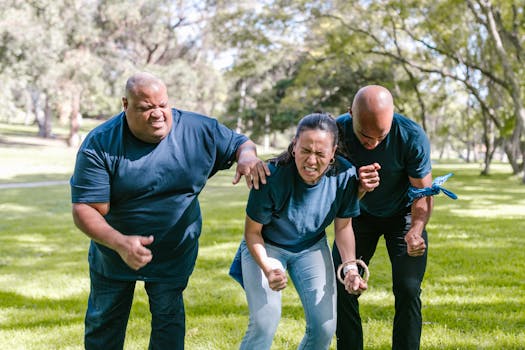
.png) Strong team dynamics have tangible effects:
- Increased win rates: Teams that collaborate effectively can see up to a 20% boost in win rates.
- Higher satisfaction: Players in well-coordinated teams report greater enjoyment and lower frustration.
- Personal growth: Players develop soft skills such as leadership, conflict resolution, and adaptability.
Strong team dynamics have tangible effects:
- Increased win rates: Teams that collaborate effectively can see up to a 20% boost in win rates.
- Higher satisfaction: Players in well-coordinated teams report greater enjoyment and lower frustration.
- Personal growth: Players develop soft skills such as leadership, conflict resolution, and adaptability.
Understanding your team’s dynamics is the first step toward implementing winning strategies.
Building a Foundation: Communication and Role Assignment
The backbone of any successful team game strategy is clear, timely communication. Without it, even the most talented group can fall apart. But communication goes beyond simply talking—it’s about sharing relevant information, listening actively, and adapting on the fly.
Key communication strategies: - Use voice chat or in-game pings to quickly relay information. - Keep messages short and focused on objectives (“Enemy flanking left!”). - Encourage open dialogue, allowing quieter teammates to share insights.Role assignment is equally crucial. In a 2022 survey by Statista, 65% of top-performing eSports teams attributed their success to well-defined roles. This means every team member knows their responsibility, whether it’s defending, attacking, supporting, or strategizing.
For example: - In Rocket League, one player may focus on goalkeeping while another takes on offense. - In board games like Pandemic, assigning roles such as Medic or Dispatcher boosts efficiency and decision-making.Practicing communication and role clarity during casual play helps cement these habits for more competitive matches.
Strategic Planning: Coordinating Tactics for Maximum Impact
Once communication and roles are established, the next step is strategic planning. This involves aligning your team’s actions toward shared goals, anticipating opponents’ moves, and adjusting tactics as needed.
Effective teams often: - Develop a game plan before play begins, discussing possible scenarios and contingencies. - Use established strategies, such as “split push” in MOBAs or “zone defense” in sports games. - Review past matches to identify strengths and weaknesses.The table below compares popular team game genres and the collaborative strategies that work best for each:
| Game Genre | Example Titles | Key Collaborative Strategy | Success Rate Increase$1Success rate increase refers to the improvement in win rates observed when collaborative strategies are applied, based on studies and player surveys.
Strategic planning isn’t only for pros—casual gamers can benefit too. Even discussing “what if” scenarios before a session can make a big difference. Adaptability: Responding to Challenges in Real TimeNo game ever goes entirely according to plan. The ability to adapt—both individually and as a team—is essential for overcoming unexpected challenges. Adaptability is often what separates good teams from great ones. Key aspects of adaptability include: - Real-time decision-making: Adjusting roles or tactics when the situation changes, such as switching from offense to defense. - Learning from setbacks: Instead of blaming teammates, focus on what can be improved next time. - Flexibility in communication: Sometimes, too much chatter can be distracting; knowing when to speak up or stay quiet is crucial.Consider the example of Rainbow Six Siege, where teams must adapt to destructible environments and unpredictable enemy strategies. Teams that communicate and adapt on the fly are far more likely to succeed—Ubisoft data shows a 30% higher success rate for teams that revise their approach mid-game. Adaptability also means being open to constructive feedback. After each session, encourage a quick team debrief to discuss what worked and what didn’t, fostering a culture of continuous improvement. Trust and Positive Team Culture: The Secret IngredientsBeyond tactics and technical skill, trust is the glue that holds successful teams together. A positive team culture fosters trust, reduces conflict, and encourages creative problem-solving. Research from the Harvard Business Review indicates that teams with high levels of trust are 50% more productive and report 76% greater engagement. In gaming, this translates to: - Willingness to take calculated risks, knowing teammates will have your back. - Constructive criticism is viewed as an opportunity to grow, not as a personal attack. - Increased motivation and fun, which can translate to better performance. How can you build trust in your team? - Celebrate successes, no matter how small. - Address mistakes as a group, focusing on solutions. - Rotate leadership roles to empower all members.For instance, in games like Among Us or Secret Hitler, trust is both a gameplay mechanic and a real-world skill. Building and maintaining it can mean the difference between victory and defeat. Using Technology and Tools to Enhance CollaborationModern team games offer various tools designed to streamline collaboration and sharpen strategy. Embracing these technologies can give your team a significant edge. Popular collaboration tools include: - Voice chat platforms (Discord, TeamSpeak) - In-game ping systems (Apex Legends’ context-sensitive pings) - Shared online documents or notes for planning (Google Docs, Notion)Statistics show that teams using external voice chat report a 30% increase in coordination and a 15% faster response time compared to those relying solely on text chat. Leveraging these tools allows for richer communication, faster tactical adjustments, and the ability to keep everyone on the same page—especially in games where every second counts. Final Thoughts on Mastering Team Game CollaborationWinning at team games isn’t just about racking up kills or collecting resources—it’s about harnessing the collective strength of your group. By focusing on communication, role clarity, strategic planning, adaptability, trust, and the smart use of technology, you can elevate your team’s performance and enjoyment. No matter your experience level or the game you play, these strategies can help you build stronger bonds, overcome challenges, and turn every match into a memorable experience. The best teams aren’t always the most skilled—they’re the most united. Start applying these collaboration strategies and watch your victories (and friendships) multiply. FAQ What is the most important factor in successful team game collaboration? While all aspects are important, clear and respectful communication is often the biggest differentiator between successful and struggling teams. How can new players improve their teamwork skills in games? Start by focusing on listening, learning your preferred roles, and practicing open communication. Joining casual groups or clans can also help you practice in a supportive environment. Do professional teams use different strategies than casual ones? Professional teams often have more structured planning, defined roles, and regular practice sessions, but the core principles—communication, adaptability, and trust—are the same at all levels. What should I do if my team is experiencing conflict? Address the issue calmly, encourage open discussion, and focus on solutions rather than blame. Building a positive team culture helps prevent and resolve conflicts. Are there tools that can make collaboration easier in online games? Yes, platforms like Discord for voice chat, in-game ping systems, and shared documents for planning can all enhance teamwork and coordination.
More from the archiveView full article archive →
tadalafilptabs.com
Level Up Your Game: Best Energizing Snacks for Peak Performance
tadalafilptabs.com
2026 Gamer Snack Guide: Choosing the Best Chips for Health & Performance
tadalafilptabs.com
Top 5 Brain-Boosting Snacks for Enhanced Gaming Focus and Stamina
tadalafilptabs.com
Crunch Time: The Best Chips for Ultimate Gaming Sessions
tadalafilptabs.com
Optimal Gaming Snacks: Boost Focus & Energy for Marathon Sessions
tadalafilptabs.com
Top 2026 Gamer Chips: Flavors, Trends, and Brands to Watch
tadalafilptabs.com
Boost Your Gaming Performance: Top Snacks & Drinks for Peak Play
tadalafilptabs.com
Top Snacks to Boost Your Gaming Performance and Focus |
|---|