Learning to master a game controller is one of the most essential skills for any modern gamer. Whether you’re aiming to dominate competitive shooters, conquer story-rich adventures, or simply enjoy casual gaming with friends, your ability to control a game controller quickly and precisely can make all the difference. For new players, or those transitioning from keyboard and mouse, the process can feel daunting. However, with the right techniques, focused practice, and a deeper understanding of how controllers work, anyone can accelerate their learning curve. In this guide, we’ll dive into the science behind controller mastery, practical training routines, ergonomic advice, and advanced strategies that help players of any level learn to control a game controller faster.
The Science Behind Controller Learning: How the Brain and Hands Adapt
Learning to use a game controller efficiently is a fascinating example of neuroplasticity—the brain’s ability to form and strengthen connections in response to new experiences. When you first pick up a controller, your brain is unfamiliar with the button layouts and the coordination required to operate analog sticks, triggers, and buttons simultaneously. According to a 2014 study published in Nature, the human brain can form new sensorimotor maps in as little as 20 hours of focused practice, especially when tasks involve repetitive hand movements.
For example, learning to aim with a thumbstick requires fine motor control and the development of “muscle memory.” This is why the first few hours with a controller may feel awkward, with your thumbs overshooting targets or your fingers fumbling buttons. However, after repeated exposure, your brain creates shortcuts and pathways that make these movements automatic. Research from Stanford University shows that deliberate, targeted practice accelerates this adaptation process, leading to faster reaction times and improved accuracy.
.png)
Key Fact: Most players report a noticeable improvement in controller handling after just 10-15 hours of focused playtime, while mastery typically takes 50+ hours depending on the complexity of the games played.
Controller Layouts and Customization: Finding Your Perfect Fit
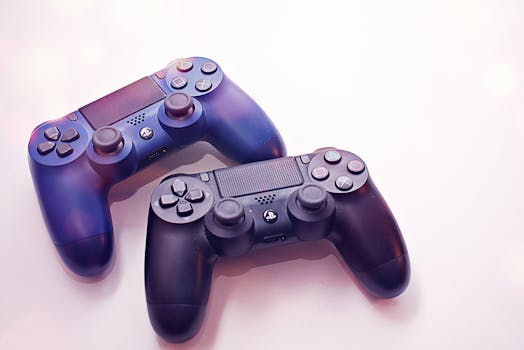
Not all controllers are created equal. From PlayStation’s DualSense to the Xbox Wireless Controller and Nintendo Switch Pro Controller, each device features unique ergonomics and button layouts. Furthermore, many games and controllers allow for button remapping, trigger sensitivity adjustments, and even custom profiles for different genres.
Why does this matter? A study by the Entertainment Software Association in 2022 found that over 30% of players regularly customize their controller layouts for comfort or performance. For example, swapping the jump button to a bumper or adjusting stick sensitivity can dramatically improve reaction times in fast-paced games like Fortnite or Call of Duty.
Comparing Common Controllers:
| Controller | Weight | Button Count | Customizable | Popular for |
|---|---|---|---|---|
| PlayStation DualSense | 280g | 14 | Yes (via PS5 OS) | Action, Adventure, Shooters |
| Xbox Wireless Controller | 287g | 14 | Yes (via Xbox Accessories App) | Shooters, Sports, Racing |
| Nintendo Switch Pro | 246g | 13 | No (limited) | Platformers, Party Games |
| Elite Series 2 (Xbox) | 345g | 16+ | Yes (paddles, triggers, mapping) | Competitive, eSports |
Tip: Experiment with grip styles (standard, claw, or hybrid), try out different stick and trigger sensitivities, and don’t hesitate to remap buttons if you find certain actions awkward. A personalized layout can shave precious milliseconds off your reaction time.
Effective Practice Techniques: Building Speed and Precision
Much like learning to play an instrument, controller mastery is about deliberate practice. Rather than simply playing games at random, targeted drills can accelerate your progress.
1. $1: Spend 10-15 minutes daily in a non-competitive setting (such as a game’s training mode or tutorial) practicing basic actions—jumping, aiming, reloading, and switching weapons. Focus on performing these actions rapidly and accurately. 2. $1: Precision aiming is a hallmark of advanced controller use. Games like Apex Legends and Destiny 2 offer aim training modes, but even single-player games with free camera movement are great for practicing. Set small, specific goals—for example, snapping your crosshair to objects on the screen as quickly as possible. 3. $1: Several free or paid apps (like Aim Lab or Reaction Time Tester) can help you measure and improve your reflexes. Aim Lab reported that players who used their platform for just 30 minutes daily experienced a 15% improvement in controller precision in two weeks. 4. $1: In games with complex controls (such as fighting games or platformers), practice chaining together multiple button presses. Start slowly and increase speed as you build confidence.Pro Tip: Record your gameplay and watch for areas where your fingers hesitate or fumble. Identifying these “bottlenecks” allows you to target them directly in your practice routine.
Ergonomics and Hand Health: Preventing Fatigue and Injury
Controller gaming is fun, but repeated strain can lead to discomfort or even injury over time. According to the American Physical Therapy Association, up to 40% of gamers report experiencing hand or wrist pain after long sessions. Good ergonomic habits are crucial for long-term enjoyment and performance.
Best Practices: - $1: Sit with your back supported, shoulders relaxed, and elbows at a 90-degree angle. Keep wrists straight and avoid excessive bending. - $1: Hold the controller firmly but gently. Squeezing too tightly increases fatigue and reduces dexterity. - $1: Follow the 20-20-20 rule: every 20 minutes, take a 20-second break and look at something 20 feet away. Stand up, stretch your fingers, and rotate your wrists. - $1: Incorporate simple hand and wrist stretches before and after gaming. For example, extend your arm with your palm up and gently pull back on your fingers to stretch the wrist flexors.A 2021 study of professional eSports athletes found that regular stretches and breaks reduced the risk of repetitive strain injury by 60%. Taking care of your hands not only prevents injury but also helps maintain the fine motor control needed for fast, accurate controller inputs.
Mental Strategies for Faster Controller Mastery
Mastering a game controller isn’t just about physical practice; your mindset plays a significant role in how quickly you learn. Here are some psychological strategies to help you progress faster:
- $1: Switching between radically different game genres (e.g., fighting games and racing games) can slow learning. Stick with one style until you’re comfortable with its control scheme. - $1: Instead of aiming to “get better,” set small, measurable goals (like reducing reload time or improving aiming accuracy). - $1: Before jumping into a game, visualize yourself performing complex actions smoothly. Mental rehearsal primes your brain for success. - $1: Frustration can slow learning. Celebrate small improvements and remember that even seasoned pros once fumbled with new controllers.Fun Fact: According to a survey by GameSpot, players who set specific controller mastery goals reached proficiency 25% faster than those who simply played for fun.
Advanced Tools and Accessories to Speed Up Learning
Modern gaming offers a wealth of hardware and software solutions designed to help players learn controllers faster:
- $1: Add-on accessories like KontrolFreek thumbstick grips can improve comfort and precision, especially for players with larger or smaller hands. - $1: Devices such as the Xbox Elite Series 2 or SCUF controllers offer customizable paddles, trigger stops, and interchangeable parts that can be tailored to your playstyle. - $1: Both PlayStation and Xbox consoles offer software tools for creating custom button profiles, adjusting dead zones, and fine-tuning sensitivity curves. - $1: Apps like Aim Lab, Kovaak’s, and even in-game training tools are invaluable for targeted skill development.Example: SCUF Gaming reports that users who configure their controllers with paddles for jump and reload actions can perform these moves up to 40% faster than with standard layouts.
Fast-Tracking Your Controller Skills: Key Takeaways
Learning to control a game controller faster is a blend of science, strategy, and self-awareness. By understanding how your brain and hands adapt, customizing your setup, practicing deliberately, caring for your hands, and leveraging modern tools, you unlock your true gaming potential. Controller mastery doesn’t happen overnight, but with consistent effort and smart habits, you’ll surprise yourself with how quickly you progress. Embrace the process, celebrate your wins, and soon enough, navigating even the most complex games will feel second nature.