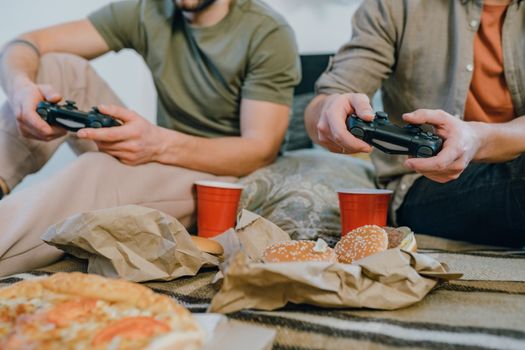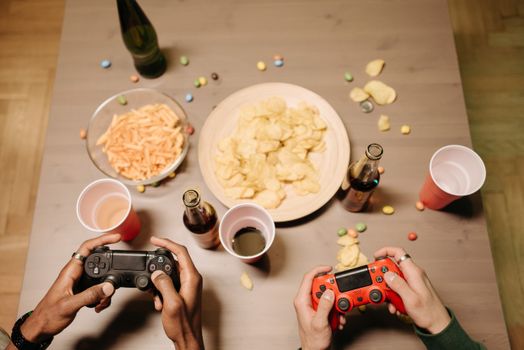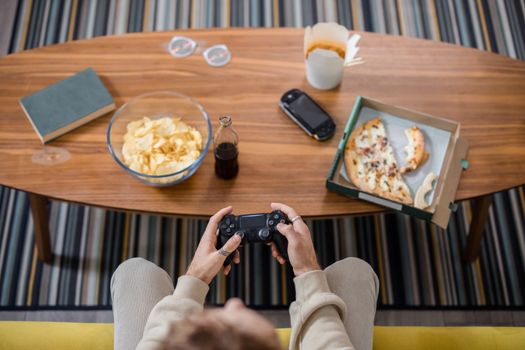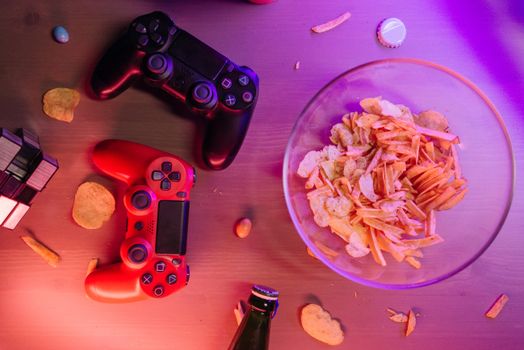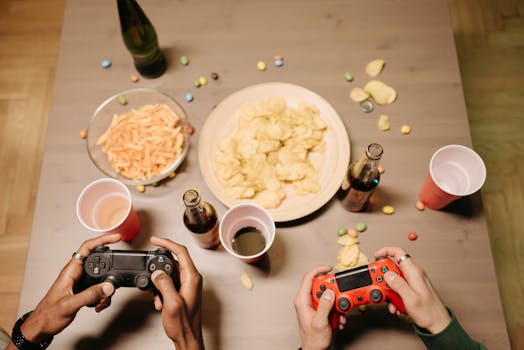
When you’re in the heart of a competitive gaming session, split-second decisions and unwavering focus can mean the difference between victory and defeat. While practice, skill, and top-notch hardware play critical roles, many gamers overlook one powerful secret weapon: the right snacks. The food you eat during gaming not only fuels your body but also directly impacts your mental performance, attention, and reaction speed. Choosing the right snacks can sharpen your mind and give you a real edge when it matters most.
But with so many snack options out there—some tempting, some touted as “healthy”—how do you make the best choice for your brain? Let’s dig deep into the science and strategy of snack selection for mental performance during gaming, so you know exactly what to reach for during your next session.
The Brain-Gaming Connection: Why Your Snack Choices Matter
Cognitive functions such as memory, focus, and reaction time are all heavily influenced by nutrition. The brain, despite accounting for only about 2% of your body weight, uses roughly 20% of your daily energy intake. This means that the type, timing, and quality of your snacks can have a direct impact on your gameplay.
.png)
For example, a 2020 study published in the journal Nutritional Neuroscience found that moderate glucose intake (from slow-digesting carbs) improved attention and working memory in young adults. Conversely, snacks high in added sugars and saturated fats have been linked to brain fog and slower reaction times.
In addition, dehydration—even at levels as low as 1% of body weight—can impair concentration and short-term memory, according to the European Journal of Nutrition. This highlights the importance not only of what you eat, but also what you drink.
Key Nutrients for Focused Gaming: What to Look For
To optimize mental performance during gaming, focus on snacks rich in the following nutrients:
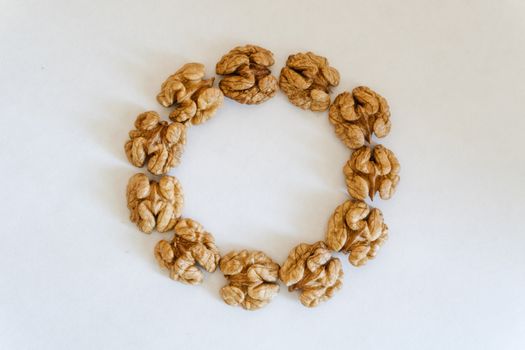
1. Complex Carbohydrates: These provide steady, long-lasting energy. Whole grains, oats, and legumes are excellent sources. 2. Omega-3 Fatty Acids: Found in nuts and seeds (like walnuts and flaxseed), omega-3s are crucial for cognitive function. 3. Antioxidants: Berries, dark chocolate, and certain nuts are packed with antioxidants, which protect brain cells from oxidative stress. 4. Choline: Commonly found in eggs and soybeans, choline supports memory and learning. 5. B Vitamins: These are essential for energy production and neurological health. Find them in whole grains, seeds, and leafy greens. 6. Hydration: Water, herbal teas, or low-sugar electrolyte drinks prevent mental fatigue.When choosing snacks, check labels for these nutrients or look for natural foods that provide them. Avoid snacks heavy in simple sugars, artificial additives, or trans fats, as these can cause energy spikes and crashes, reducing your mental acuity.
Timing and Portioning: When and How Much to Snack
Even the healthiest snack can backfire if consumed at the wrong time or in excess. Here’s how to strategize your snack timing for optimal mental performance:
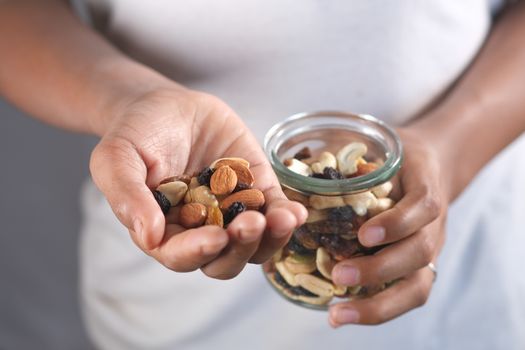
- Pre-Game: Eat a balanced snack 30-60 minutes before you play. This should be a moderate portion (150-250 calories) containing complex carbs and some protein. For example, a small bowl of oatmeal with nuts or a slice of whole-grain bread with hummus. - During Gameplay: Stick to light, easy-to-eat snacks that won’t disrupt your concentration or dirty your peripherals. Think trail mix, air-popped popcorn, or a banana. Keep portions small (about 100 calories) to maintain steady energy without feeling sluggish. - Post-Game: Refuel with something that aids recovery, such as a smoothie with fruit and yogurt or a handful of edamame.Avoid heavy meals or large snacks right before or during gaming, as these can divert blood flow to your digestive tract and away from your brain, making you feel tired or lethargic.
Comparing Popular Snack Types: Brain Boosters vs. Brain Drainers
Not all snacks are created equal when it comes to mental performance. Here’s a comparison of some popular snack types, highlighting their impact on cognitive function:
| Snack Type | Pros | Cons | Best For |
|---|---|---|---|
| Whole Grain Crackers with Hummus | Steady energy, rich in fiber and B vitamins | May be messy if not careful | Pre-game or long sessions |
| Candy & Sugary Snacks | Quick energy boost | Causes energy crashes, impairs focus after spike | Avoid for mental performance |
| Mixed Nuts & Seeds | Healthy fats and omega-3s, portable | High in calories if overeaten | During gameplay, in moderation |
| Energy Drinks | Temporary alertness from caffeine | Can cause jitters, dehydration, and crash | Emergency use, not regular play |
| Fruit (e.g., Berries, Bananas) | Antioxidants, vitamins, natural sugars | May be sticky, can spike blood sugar if overeaten | Mid-game for quick, clean energy |
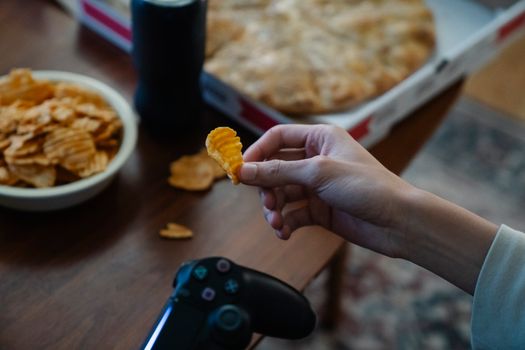
| Chips & Fried Snacks | Convenient, satisfying crunch | High in saturated fat and salt, low in nutrients | Avoid for peak performance |
As you can see, snacks high in whole grains, healthy fats, and antioxidants are far superior for supporting mental sharpness, while sugary or greasy snacks can undermine your focus and stamina.
Snack Preparation and Convenience: Make Smart Choices Easy
One of the biggest hurdles to healthy snacking during gaming is convenience. It’s tempting to grab the nearest bag of chips or candy, especially during long sessions. However, with a little preparation, you can set yourself up for success.
Try these tips: - Pre-portion snacks into small containers or bags. This prevents overeating and makes it easy to grab a quick bite. - Choose snacks that are easy to eat one-handed and non-greasy, so your keyboard or controller stays clean. - Keep a water bottle within arm’s reach. Even mild dehydration can slow your reaction times by 10% or more, according to a 2019 study in the journal Nutrients. - Prepare a snack tray with options like baby carrots, cherry tomatoes, mixed nuts, and dried fruit before you start gaming.If you’re short on time, look for healthy pre-packaged options such as roasted chickpeas, seaweed snacks, or whole grain granola bars (watch for added sugar).
Personalizing Your Snack Strategy: Listen to Your Body and Mind
No two gamers are exactly alike—your optimal snack strategy may differ depending on your metabolism, the type of games you play, and even your sensitivity to ingredients like caffeine or gluten. Here’s how to tailor your approach:
- If you notice brain fog or sluggishness after certain snacks, keep a food journal to identify which foods may be affecting you. - Competitive or marathon gamers may benefit from “stacking” snacks, alternating between small amounts of carbs and protein to maintain stable energy. - If you’re sensitive to caffeine, choose naturally energizing snacks like oranges or apples instead of energy drinks. - For late-night gaming, avoid heavy or high-sugar snacks that can disrupt your sleep cycle. Instead, opt for snacks with tryptophan (found in dairy and seeds) to promote relaxation.Remember, the goal is to keep your brain alert, your body comfortable, and your hands clean—so you can focus on your game.
Smart Snacking for Gamers: The Takeaway
Snacking during gaming isn’t just about satisfying hunger—it’s a powerful tool to boost your mental performance. By choosing snacks rich in complex carbs, healthy fats, antioxidants, and hydration, you can improve your focus, reaction speed, and decision-making skills, all while avoiding the dreaded energy crash.
Whether you’re a casual player or a serious esports competitor, paying attention to your snack choices can give you a real advantage. Remember to plan ahead, watch your portions, and personalize your strategy based on how your body responds.
With a little preparation and the right choices, you’ll be ready to play at your best—mind and body in sync.