In the digital era, gaming is more than just a pastime—it’s a competitive sport, a collaborative adventure, and for many, a serious pursuit. Whether you’re grinding for the next rank in an esports title or enjoying a sprawling RPG, your mental sharpness and physical stamina can make the difference between victory and defeat. While gamers often focus on hardware, strategy, and practice, there’s an overlooked but crucial factor that shapes performance: what you eat while you play. In this article, we’ll dive deep into the science behind how snacks affect your gaming performance, examining not just which snacks are best, but how specific nutrients and ingredients impact cognitive and physical abilities essential for top-tier gaming.
The Science of Snacking: How Food Impacts Brain and Body During Gaming
Gaming is a cognitively demanding activity. Fast reflexes, sharp attention, memory recall, and decision-making are all in play, often for hours at a stretch. But how exactly can the snacks beside your keyboard influence these skills?
Research from the University of Loughborough in 2021 found that even mild dehydration or dips in blood sugar can reduce reaction time by as much as 10%. Furthermore, a 2020 study in $1 journal reported that nutrient-dense snacks can support mental endurance and prevent fatigue during extended periods of concentration.
.png)
Snacks are more than just fuel; the types of carbohydrates, fats, and proteins you consume can have very different effects on your brain chemistry and energy levels. High-glycemic (fast sugar) snacks give a quick boost but are followed by a rapid crash—a familiar phenomenon to anyone who’s felt sluggish after too many cookies or sodas. Conversely, snacks rich in fiber, protein, and healthy fats provide more stable, sustained energy.
Key Nutrients for Gaming: What the Science Says
To understand how snacks affect gaming, it’s essential to break down the nutrients that matter most for cognitive performance. Here’s what the research shows:
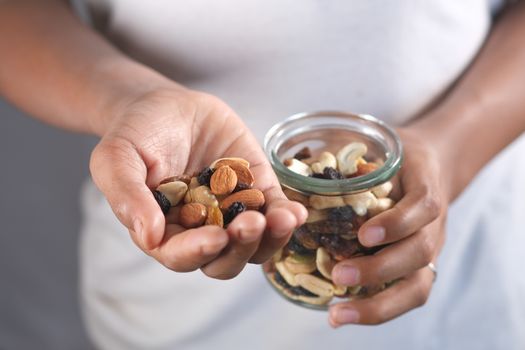
- $1 The brain’s primary energy source. Complex carbohydrates (like whole grains or oats) release glucose slowly, preventing energy crashes. A 2018 study in $1 found that individuals who consumed low-glycemic carbohydrates performed better on memory and attention tasks over several hours. - $1 Essential for neurotransmitter synthesis. Amino acids from protein-rich snacks (like nuts or yogurt) support dopamine and serotonin production, which influence mood and focus. - $1 Omega-3 fatty acids, found in nuts and seeds, are critical for maintaining brain cell structure and function. A study published in $1 in 2017 showed that higher omega-3 intake correlated with faster reaction times and better decision-making in young adults. - $1 Vitamins and minerals such as B-vitamins, magnesium, and zinc are crucial for cognitive processes. A deficiency in these can lead to brain fog or slower processing speed.The Downside of Popular Gaming Snacks: Hidden Performance Traps
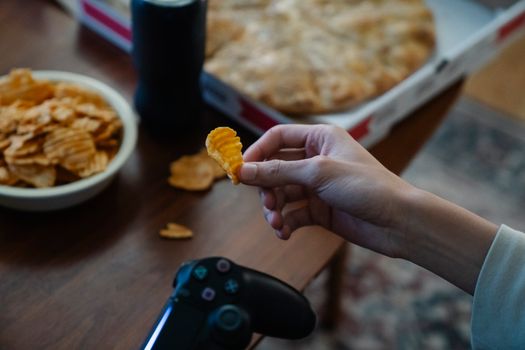
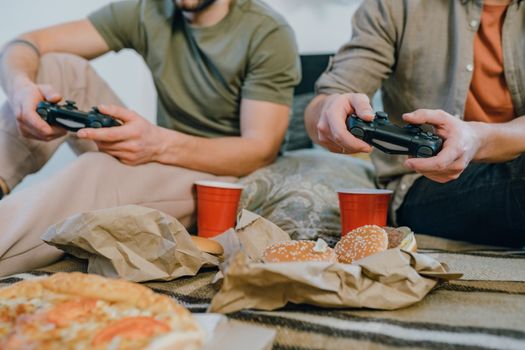
Despite the importance of nutrition, many gamers gravitate toward convenient, highly processed snacks—think chips, candy, and energy drinks. While these may be tasty and easy to grab, science suggests they can backfire.
A 2019 survey by the NPD Group found that 57% of gamers regularly consumed soda, while 42% reached for salty snacks during gaming sessions. The problem? High-sugar, high-salt, and trans fat-laden foods can lead to:
- $1 After the initial energy surge, blood sugar drops rapidly, causing fatigue and reduced cognitive function. - $1 High-sodium snacks and caffeinated drinks can increase fluid loss, impairing concentration and slowing reaction time. - $1 Diets high in processed foods are associated with increased inflammation, which can negatively affect mood and focus.A 2022 experiment at the University of Toronto tested gamer performance after consuming either a sugary snack or a balanced protein-carb snack. Those who ate the sugary snack saw a 15% decrease in accuracy during reaction-based tasks within one hour.
Snack Timing and Gaming Stamina: When You Eat Matters
Not only does what you eat matter, but when you eat it can also affect gaming performance. The body’s glucose levels fluctuate throughout the day, and dips can lead to lapses in attention.
A 2016 study in $1 journal found that consuming a balanced snack every 2-3 hours helped maintain steady cognitive performance during tasks requiring sustained attention. For gamers, this translates into:
- $1 Eating a small meal with complex carbs and protein about 30-60 minutes before gaming can prevent early fatigue. - $1 For long sessions, a light snack (like a handful of nuts or a banana) can help maintain focus without causing sluggishness. - $1 Sipping water or electrolyte-rich fluids throughout play is crucial; even 1% dehydration impairs cognitive performance.Comparing Snack Choices: Effects on Gaming Performance
To clearly see how different snacks stack up in terms of their impact on gaming, here’s a comparison based on research findings:
| Snack Type | Energy Level | Cognitive Impact | Duration of Effect | Example Snacks |
|---|---|---|---|---|
| Sugary Snacks | High initial, sharp crash | Short-term boost, then decline | 20-40 min | Chocolate bars, soda, candy |
| Complex Carbs + Protein | Steady, sustained | Improved focus, memory | 2-3 hours | Whole grain crackers & cheese, yogurt & fruit |
| High-Fat, Salty Snacks | Moderate, slow | Possible sluggishness | 1-2 hours | Chips, processed meats |
| Nut & Seed Mixes | Steady, moderate | Supports reaction time | 2 hours | Almonds, walnuts, pumpkin seeds |
| Energy Drinks | High initial, rapid drop | Temporary alertness, jitteriness | 30-60 min | Red Bull, Monster, coffee |
This table underscores the importance of choosing snacks that offer stable benefits rather than quick, short-lived spikes.
Real-World Evidence: Pro Gamers and Snack Strategies
Professional gamers and esports athletes are increasingly aware of the science behind nutrition and performance. Teams like Team Liquid and Fnatic now employ nutritionists to design snack routines that support peak performance.
For example, during the 2023 League of Legends World Championship, several teams reported shifting from energy drinks and chips to mixed nuts, fruit, and protein smoothies. After making these changes, players noted improved focus during matches and less fatigue during long practice sessions.
Additionally, a survey conducted by Esports Insider in 2022 showed that 68% of pro gamers had made significant dietary changes to improve performance, with 80% reporting better mental clarity and reaction times as a result.
Final Thoughts on the Science of Snacking and Gaming Performance
The evidence is clear: what you snack on during gaming sessions can have a significant and measurable impact on your cognitive performance, reaction times, and endurance. While processed, sugary, and salty snacks are tempting for their convenience, they often undermine the very abilities gamers rely on most. In contrast, snacks rich in complex carbohydrates, protein, healthy fats, and essential micronutrients provide steady energy and sharper focus, helping you perform at your best.
If you’re looking to up your game—whether for casual fun or serious competition—consider the science behind your snack choices. Your brain and your leaderboard rank will thank you.