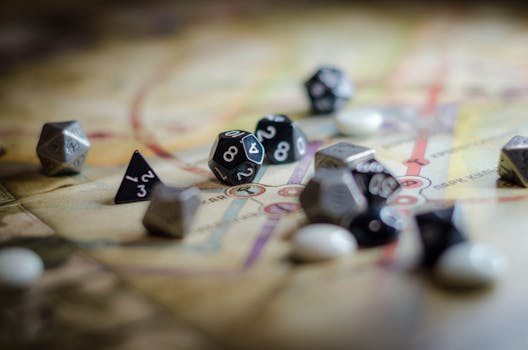
Fantasy games, spanning from classic tabletop role-playing games to cutting-edge video games, have created a unique niche in entertainment, enchanting a diverse audience worldwide. These games offer much more than just leisure; they provide a gateway to expansive realms where imagination and reality blur into an engaging narrative and interactive experience.
What Makes Fantasy Games So Captivating?
The essence of fantasy gaming is its power to transport players into alternative realities, a place where magic is common and mythical creatures roam. Here, players can assume roles vastly different from their everyday selves—becoming wizards, warriors, or mythical creatures—engaging in epic quests and battles that are limited only by the imagination.
.png)
Narrative Depth and Interactivity
One of the standout features of fantasy games is their complex narrative structure. Unlike more linear game designs, fantasy games often feature sprawling, branching storylines where player choices influence outcomes. This interactivity allows players to shape the story, making each gaming experience unique and deeply personal. Such complexity not only enhances engagement but also encourages players to think critically and make ethical decisions, mirroring complexities often faced in the real world.
World-building in Fantasy Games
Developers invest heavily in world-building, creating intricate worlds that support the narrative. Every element, from geography and history to culture and language, is meticulously crafted to make the game world believable and immersive. This attention to detail ensures that players are not just visiting a fantasy world, but living in it, with opportunities to explore its lore and mysteries deeply.
Character Development and Progression
In fantasy games, character development is paramount. Players often start with a base character that they can develop through gameplay, enhancing skills and abilities but also making decisions that define the character's personality and role in the game world. This progression adds a layer of emotional investment to the gaming experience, as players become attached to their characters and their journeys.
The Social Dimension of Fantasy Gaming
Fantasy games also foster a strong sense of community among players, whether through multiplayer online games or gathering around a table for a Dungeons & Dragons session. These social interactions are integral to the gaming experience, offering players a chance to collaborate, share strategies, and forge friendships, both virtual and real.
Technological Advancements Enhancing Gameplay
Advancements in technology have greatly influenced the development of fantasy games. High-definition graphics and sophisticated artificial intelligence contribute to more realistic and responsive environments, while virtual reality (VR) and augmented reality (AR) promise even more immersive experiences, allowing players to step directly into the game world.
The Enduring Appeal of Tabletop Games
Despite technological advancements, the charm of tabletop fantasy games endures. These games emphasize storytelling and imagination, relying on the narrative and social interaction rather than visual effects, proving that the core appeal of fantasy gaming lies in shared storytelling and collective creativity.
Educational and Psychological Benefits
Beyond entertainment, fantasy games offer educational benefits like problem-solving, strategic planning, and teamwork. They also provide psychological benefits, such as stress relief and improved mood. Additionally, the moral and ethical dilemmas that often arise in these games can provoke thoughtful reflection on personal values.
Conclusion
Fantasy games represent a vibrant and evolving form of entertainment that appeals to a broad audience. They offer not just escapism but a platform for creativity, social interaction, and personal growth. As technology advances and the community of players expands, the enchantment of fantasy games continues to grow, promising even more immersive and captivating experiences in the years to come. Whether through dice or digital avatars, these games invite players to explore limitless worlds, driven by the boundless scope of human imagination.