When it comes to strategic games—whether it’s chess, poker, esports, or tabletop classics—your brain is your most powerful tool. The ability to sustain concentration, think critically, and make sharp decisions often separates winners from also-rans. But while practice and strategy are crucial, what you eat during these intense sessions can have a surprising impact on your cognitive performance. In this article, we’ll explore the best snacks for enhancing focus and performance during strategic games, focusing on the science behind brain-boosting nutrients, practical snack options, and how to prepare your gaming environment for peak mental agility.
The Science Behind Snack Choices for Strategic Play
To understand why some snacks are better than others for mental performance, it’s important to look at the brain’s nutritional needs during extended periods of concentration. The human brain, weighing just about 2% of your body mass, consumes roughly 20% of your daily energy. When engaged in intense mental activity, such as a two-hour chess match or a five-hour Dungeons & Dragons campaign, the demand for glucose—the brain’s main energy source—increases.
However, not all sugars and nutrients are created equal. Snacks high in refined sugar or saturated fat can cause spikes and crashes in energy levels, leading to lapses in attention and sluggishness. In contrast, snacks that provide steady, complex carbohydrates, healthy fats, protein, and brain-boosting micronutrients help maintain focus, memory, and decision-making abilities.
.png)
Recent research published in the journal “Nutrients” (2023) found that participants who consumed foods rich in omega-3 fatty acids and antioxidants performed 23% better on cognitive tasks than those who ate high-sugar snacks. This underscores the importance of nutrient selection, not just calories, when it comes to strategic play.
Top Brain-Boosting Snack Ingredients and Their Benefits
Let’s break down the key nutrients that can help sustain mental performance during strategic games, along with food examples for each:
1. Omega-3 Fatty Acids: Found in nuts (walnuts, almonds), seeds (chia, flaxseed), and fatty fish, omega-3s are linked to improved memory and faster information processing. 2. Complex Carbohydrates: Whole grains (oats, brown rice crackers), sweet potatoes, and certain fruits (apples, bananas) provide a slow and steady release of glucose, preventing energy crashes. 3. Antioxidants: Berries (blueberries, strawberries), dark chocolate (70%+ cacao), and leafy greens protect brain cells from oxidative stress, supporting long-term cognitive function. 4. Protein: Greek yogurt, hard-boiled eggs, and hummus help stabilize blood sugar and keep you feeling full, reducing distractions. 5. Hydration & Electrolytes: Water-rich fruits (watermelon, oranges) and lightly salted nuts help maintain hydration and prevent mental fatigue, as even minor dehydration can impair cognitive performance by up to 13%, according to a 2022 study from the University of Connecticut.Snack Selection: Quick, Portable, and Mess-Free Options
While nutrient content is critical, practicality matters too. Strategic games often involve delicate pieces, cards, or electronics. Greasy or crumbly snacks can damage equipment and disrupt play. Here are some of the best snack options that balance nutrition, convenience, and cleanliness:
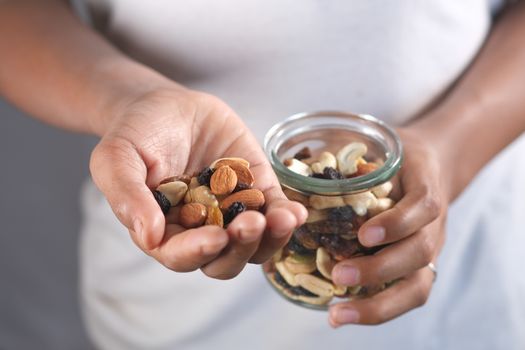
- Mixed Nuts and Seeds: A classic brain food, high in healthy fats and protein. Choose raw or dry-roasted varieties without added oils. - Whole Grain Rice Cakes with Nut Butter: Easy to handle and customizable. Add sliced banana or a sprinkle of cinnamon for extra flavor. - Greek Yogurt Parfaits: Layer plain Greek yogurt with fresh berries and a sprinkle of granola for a protein- and antioxidant-rich snack. - Dark Chocolate Squares: A few pieces (about 20g) provide a cognitive boost without causing a sugar crash. - Sliced Veggies with Hummus: Carrot sticks, cucumber slices, and bell pepper strips are hydrating, crunchy, and mess-free. - Roasted Chickpeas: Crunchy, high in protein and fiber, and easy to pop in your mouth between moves.For those who prefer sweet snacks, opt for dried fruit in moderation, such as unsweetened apricots or apple rings, paired with nuts to slow sugar absorption.
Comparing Popular Snack Choices for Strategic Gamers
To help you choose the best snack for your next game session, here’s a comparison table showcasing the nutritional benefits, practicality, and potential downsides of popular options:
| Snack | Key Nutrients | Energy Release | Mess Factor | Best For |
|---|---|---|---|---|
| Mixed Nuts & Seeds | Omega-3, Protein, Fiber | Slow & Steady | Low | Long sessions |
| Whole Grain Crackers & Cheese | Complex Carbs, Protein, Calcium | Moderate | Medium (crumbs) | Short breaks |
| Greek Yogurt & Berries | Protein, Antioxidants, Probiotics | Steady | Low (with spoon) | Home games |
| Dark Chocolate (70%+) | Antioxidants, Iron | Quick | Low | Quick boost |
| Sliced Veggies & Hummus | Fiber, Vitamins, Healthy Fats | Slow | Low | Hot environments |
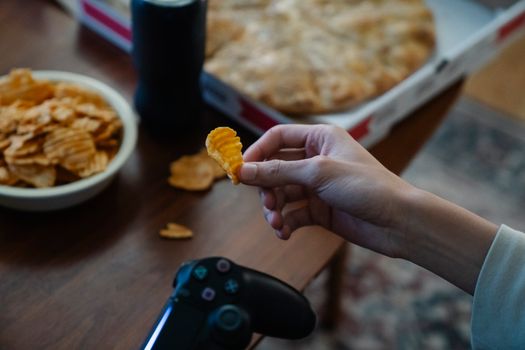
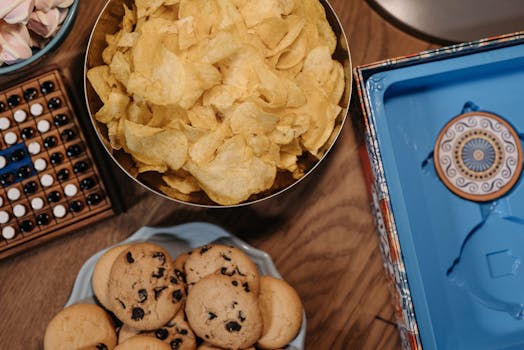
| Potato Chips | Simple Carbs, Sodium, Fat | Fast Crash | High (greasy) | Not recommended |
This table highlights that while some snacks are convenient, they might not provide the optimal nutrient profile or practicality for strategic play.
Timing and Portioning: When and How Much to Snack
Snacking during strategic games isn’t just about what you eat—it’s also about when and how much. Overeating can lead to sluggishness, while under-fueling can cause your focus to fade. Here are some evidence-based tips:
- Eat a balanced snack about 30–60 minutes before your game begins. This helps stabilize blood sugar and primes your brain for action. - During long sessions (over 2 hours), opt for small, frequent snacks every 60–90 minutes to maintain steady energy. - Avoid sugary drinks and energy drinks, as they can lead to jitters and crashes. Instead, hydrate with water, herbal teas, or coconut water. - Stick to moderate portions: for example, a small handful of nuts (about 30g), one cup of veggies, or a single rice cake with nut butter.According to a 2021 survey by the International Mind Sports Association, 67% of top chess players reported improved performance when following a structured snacking schedule compared to random eating.
Customizing Snacks for Different Strategic Games
Not all strategic games have the same demands. The best snack for a poker tournament might not be ideal for a rapid-fire esports match or an all-day board game marathon. Here’s how to tailor your snack choices:
- Chess & Turn-Based Games: These require sustained focus and patience. Opt for slow-digesting foods like nuts, seeds, and whole grains, which support steady energy over hours. - Real-Time Strategy (RTS) & Esports: Fast decision-making and hand-eye coordination are key. Quick, portable snacks like dark chocolate squares or yogurt tubes provide a fast brain boost without interrupting play. - Tabletop Role-Playing Games: These sessions can last several hours and often include social breaks. Shareable platters of sliced veggies, hummus, and fruit keep everyone energized without greasy fingers. - Card Games: Since cards are sensitive to oils and crumbs, prioritize mess-free snacks like dried fruit or pre-cut cheese cubes eaten with toothpicks.Remember, the best snack is one that fits your game environment and personal preferences while supporting your cognitive needs.
Setting Up Your Game Space for Smart Snacking
A thoughtfully arranged gaming environment can make healthy snacking effortless and prevent accidental spills or messes. Here are some practical tips:
- Use small bowls or containers for portion control and easy sharing. - Place napkins and hand wipes nearby, especially if you’re handling game pieces or electronics. - Keep drinks in spill-proof bottles or cups with lids. - If possible, set up a designated snack area a little away from the main gaming zone to minimize distractions and prevent accidental damage to equipment. - For online or virtual play, keep snacks within arm’s reach but off your keyboard or mousepad.Professional esports teams often have nutritionists who organize snack and hydration breaks during practice and competitions, emphasizing the importance of environment in supporting mental performance.
Final Thoughts on Snacking for Strategic Game Success
The right snacks can make a measurable difference in your ability to think clearly, concentrate, and make winning decisions during strategic games. By prioritizing foods rich in brain-boosting nutrients, choosing practical and mess-free options, and timing your snacks effectively, you set yourself up for optimal performance—whether you’re pursuing a tournament title or enjoying a game night with friends.
Next time you sit down for a marathon session of chess, poker, or your favorite board game, remember that your snack choice is more than just a treat—it’s a strategic advantage.