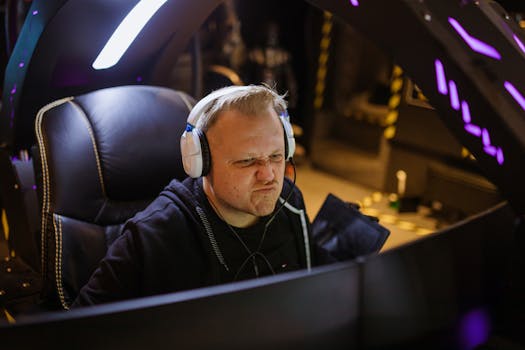
So You Want to Be a Pro Gamer? Mapping the Real Path to Esports Stardom
The world of professional gaming, or esports, has exploded over the past decade. No longer just a hobby, gaming has become a lucrative and competitive industry. In 2023, global esports revenues surpassed $1.6 billion, with top players earning millions from tournaments, sponsorships, and streaming. But becoming a professional gamer isn’t as simple as playing your favorite titles for hours on end. It takes strategic planning, relentless practice, and an understanding of the industry’s inner workings.
If you’re wondering how to become a professional gamer, this guide will break down the journey step by step, from choosing the right game to building your personal brand and breaking into the pro scene. Whether you dream of standing on the main stage at The International or simply want to earn a living doing what you love, these steps will help you start your path to esports success.
.png)
Understanding the Esports Landscape: Picking the Right Game
Not all games offer the same opportunities for professional players. The esports ecosystem is diverse, with genres ranging from first-person shooters (FPS) to real-time strategy (RTS), multiplayer online battle arenas (MOBA), and sports simulations. Some games have massive competitive scenes, while others offer limited professional prospects.
To make an informed choice, consider these factors:
- $1: Games like League of Legends, Dota 2, and Counter-Strike: Global Offensive consistently rank among the most lucrative, with prize pools often exceeding $10 million for major tournaments. In 2021, Dota 2’s “The International” awarded over $40 million in prizes, the largest in esports history. - $1: Some games have stronger scenes in certain regions. For example, StarCraft II is huge in South Korea, while Call of Duty is more popular in North America and Europe. - $1: Games with regular updates, active communities, and developer-backed leagues tend to offer more stability and growth.Here’s a comparative overview of popular esports titles:
| Game Title | Genre | Annual Prize Pool (2023) | Estimated Pro Player Count | Main Regions |
|---|---|---|---|---|
| League of Legends | MOBA | $6.4 million | 2,000+ | Global (KR, CN, NA, EU) |
| Dota 2 | MOBA | $32 million | 1,500+ | Global (EU, CN, SEA) |
| Counter-Strike: Global Offensive | FPS | $21 million | 1,800+ | EU, NA, CIS |
| Valorant | FPS | $8 million | 1,000+ | Global (NA, EU, APAC) |
| Rocket League | Sports/Arcade | $4.5 million | 800+ | NA, EU, OC |
Choosing the right game is crucial. Focus on one that not only excites you, but also offers a thriving competitive ecosystem and opportunities for advancement.
Mastering the Fundamentals: Structured Practice & Skill Development
Once you’ve chosen your game, it’s time to level up your skills systematically. Natural talent helps, but structured practice is what separates casual players from the pros.
Key steps to effective skill development:
- $1: Top professionals practice anywhere from 6 to 10 hours a day, mixing solo queue, scrims (practice matches), and aim or mechanics drills. - $1: Use tools like replay analysis, stat trackers, and VOD reviews to identify weaknesses. For example, League of Legends pros use programs like OP.GG and Porofessor to break down their performance. - $1: Watch professional matches, paying attention to decision-making, positioning, and communication. Sites like Twitch and YouTube feature thousands of hours of pro gameplay and tutorials. - $1: Platforms such as FACEIT, ESL Play, and Battlefy offer competitions for amateurs. Regularly competing will expose you to higher skill levels and pressure situations.According to a 2022 survey by Esports Earnings, over 85% of pro players started by dominating online ladders and amateur tournaments before being noticed by organizations.
Building Your Network: Community, Teams, and Reputation
In esports, who you know can be just as important as what you know. Building your network helps you discover opportunities, find scrim partners, and get noticed by teams.
How to grow your presence in the gaming community:
- $1: Platforms like Twitter, Discord, and Reddit are hubs for esports discussions, team recruitment, and news. Join community servers, participate in discussions, and share your achievements. - $1: Many cities have gaming cafes or esports centers that host LAN (Local Area Network) tournaments. These events are perfect for meeting other players, forming teams, and gaining valuable offline experience. - $1: Teamwork is essential in most esports. Start by forming or joining amateur teams to participate in online leagues. Over time, your team may attract sponsorship or be scouted by larger organizations. - $1: Toxicity and poor sportsmanship can destroy career prospects. Teams, sponsors, and organizers look for players who are not only skilled but also professional and reliable.A 2021 report by Newzoo found that 70% of esports contracts were offered to players through personal connections or recommendations. Networking is not optional—it’s essential.
Going Pro: Getting Scouted and Signing with Organizations
The leap from amateur to professional often happens when a player is scouted by an esports organization. These teams offer salaries, coaching, travel support, and access to top-tier competitions.
Ways to get noticed:
- $1: Major tournaments like ESL, DreamHack, and regional leagues often hold open qualifiers where anyone can participate. Standout performances here can attract scouts. - $1: Consistently ranking at the top of in-game ladders or public stat trackers demonstrates your skill and reliability. - $1: Short, exciting clips showcasing your best plays can go viral on social media and catch the attention of talent scouts. - $1: Don’t be afraid to contact team managers or coaches with a well-crafted application, especially if you have strong results to back it up.Contract terms vary, but as of 2023, the median starting salary for a rookie pro in major esports leagues ranges from $1,000 to $5,000 per month, not including prize money or sponsorships. Top-tier stars can earn much more—Faker, a League of Legends legend, is estimated to have earned over $5 million in salary and endorsements.
Brand Building: Streaming, Content Creation, and Sponsorships
Today’s professional gamer is more than just a competitor—they are a brand. Many esports stars supplement their income and grow their fanbase through streaming, YouTube, and social media.
Tips for effective brand building:
- $1: Platforms like Twitch and YouTube Gaming allow you to connect with fans, showcase your skills, and attract sponsorships. In 2022, Twitch reported over 9.5 million active streamers per month, with the top 0.1% earning significant revenue. - $1: Share your journey, insights, and personality through vlogs, tutorials, or challenge videos. Consistent, engaging content helps you stand out. - $1: Respond to chat, run giveaways, and collaborate with other creators to build a loyal community. - $1: As your profile grows, brands may offer sponsorship deals for promoting products or wearing branded gear on stream. Even micro-influencers with 1,000–10,000 followers can attract entry-level sponsorships in the gaming industry.A recognizable personal brand can open doors to career opportunities beyond competition, including casting, coaching, or working in game development.
Balancing Health, Mindset, and Longevity in Esports
The intense demands of professional gaming take a toll on both body and mind. Burnout, repetitive strain injuries, and mental fatigue are common among esports pros.
To sustain a long career:
- $1: Regular exercise, stretching, and ergonomic setups reduce the risk of injuries like carpal tunnel syndrome. According to the British Journal of Sports Medicine, up to 50% of esports players report some form of musculoskeletal pain. - $1: Practice stress management, maintain a healthy sleep schedule, and seek support when needed. Mental coaching is increasingly common in top-tier teams. - $1: Not everyone will become a world champion. Focus on incremental improvements and celebrate small victories along the way. - $1: The average pro gaming career lasts 4–6 years at the highest level. Consider expanding your skillset into coaching, analysis, or content creation to ensure long-term success.Your Roadmap to Pro Gaming Success
Becoming a professional gamer is a journey that requires passion, persistence, and adaptability. It’s not just about playing games all day—success demands structured practice, networking, personal branding, and attention to your health. With the esports industry projected to surpass 640 million viewers globally by 2025, there’s never been a better time to chase your gaming dreams.
Remember, every pro started as an amateur. By following the steps outlined above—choosing the right game, training with intention, building your network, breaking into the scene, and caring for your health—you can maximize your chances of turning your passion into a profession. The path to the top is challenging, but with the right approach and mindset, esports stardom is within reach.