Game streaming has exploded in popularity, transforming passionate gamers into online personalities and even full-time professionals. According to a 2023 report from Streamlabs, over 12 million unique creators streamed on Twitch, YouTube Gaming, and Facebook Gaming combined. Yet, for every rising star, thousands of newcomers make avoidable mistakes that stall their progress or cause them to quit prematurely.
To help you leap over these common hurdles, we’ve gathered actionable advice from professional streamers, industry veterans, and digital content strategists. Whether you dream of building a loyal community, earning income, or simply sharing your gameplay, understanding where most people trip up—and how to sidestep those pitfalls—can make all the difference.
The Hidden Challenges of Game Streaming: Why Mistakes Happen
Game streaming looks effortless when watching top creators, but behind the scenes, it’s a complex blend of technical setup, audience engagement, and personal branding. New streamers often underestimate the challenges, assuming passion for games is all it takes.
.png)
In reality, StreamElements’ State of the Stream 2023 report found that 82% of new streamers quit within their first year. The reasons range from technical frustration to slow channel growth and burnout. Professionals stress that most failures aren’t due to lack of talent, but rather repeating the same avoidable missteps. Identifying these early—and learning from those who’ve succeeded—sets the foundation for a sustainable, enjoyable streaming journey.
Technical Pitfalls: Gear, Setup, and Quality Mistakes
One of the most common traps is neglecting technical basics. Viewers expect clean visuals, clear audio, and a lag-free experience. Even small technical glitches can cause potential fans to click away within seconds.
Some of the most frequent mistakes include:
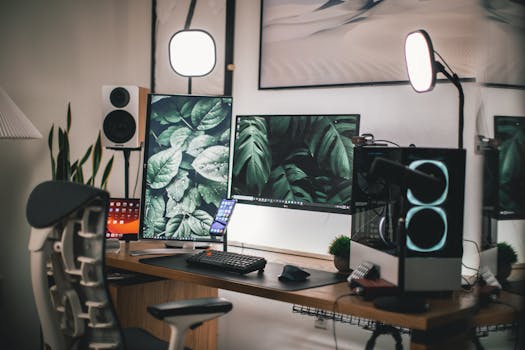
1. $1: According to a 2022 Twitch viewer survey, 72% of users said they would leave a stream with poor audio, even if video quality was good. Professionals recommend prioritizing a decent microphone over expensive cameras. USB condenser mics like the Blue Yeti or Audio-Technica AT2020 (both under $100) are popular starter choices. 2. $1: Streaming at high resolutions without adequate upload speeds leads to buffering and pixelation. Twitch’s guidelines suggest at least 6 Mbps upload speed for 1080p streaming, but many home connections fall short. Always test your internet speed (using tools like speedtest.net) before going live. 3. $1: Even basic webcams can look professional with good lighting. Pros use affordable ring lights or position lamps to ensure their face is evenly illuminated, avoiding shadows and washed-out images. 4. $1: A cluttered or confusing overlay can distract viewers. Keeping overlays simple and alerts clear helps maintain professionalism and viewer engagement. 5. $1: Technical problems can strike anytime. Top streamers keep backup cables, alternative streaming software, and even backup internet (like mobile hotspots) ready for emergencies.Here’s a quick comparison of common beginner setups vs. professional recommendations:
| Element | Common Beginner Mistake | Professional Advice |
|---|---|---|
| Microphone | Built-in laptop or headset mic | Standalone USB condenser mic |
| Internet | Wi-Fi, no speed test | Wired Ethernet, regular speed tests |
| Lighting | Room light only | Ring light or 2-point lighting |
| Overlay | Busy, animated overlays | Sleek, minimal overlays |
Content Consistency and Planning: Avoiding Burnout and Stagnation
Many aspiring streamers start strong, then fade when initial excitement wears off or growth slows. A key mistake is treating streaming as a hobby without structure or planning. Professionals stress the importance of consistency and sustainable schedules.
Common pitfalls include:
- $1: Viewers are more likely to return if they know when you’re live. A 2023 survey by Stream Hatchet found that channels with fixed schedules grew 30% faster than those with erratic timing. - $1: Marathon sessions multiple days a week can quickly lead to burnout—one of the main reasons 1 in 5 new streamers quit within three months, according to Newzoo. - $1: Playing whatever game feels right in the moment may feel authentic, but professionals recommend mixing staple games (for discoverability) with variety, and building “segments” or recurring features that give viewers a reason to tune in regularly.Pro tip from professional streamer Pokimane: “Treat streaming like any creative job. Set boundaries, schedule breaks, and plan your content so you don’t run out of ideas or energy.”
Audience Engagement: Building Community, Not Just Numbers
A major misconception is that game streaming success is just about playing games well. In reality, the most successful streamers excel at interacting with their audience and fostering a sense of community.
Mistakes to avoid:
- $1: No matter how small your viewership, acknowledge chat messages. Lurkers (viewers who don’t chat) make up around 70% of Twitch audiences, but seeing a streamer interact with even one viewer can turn a lurker into a loyal fan. - $1: Without clear chat rules or moderation, toxic behavior can take root. Top streamers use mods, chatbots, and clear guidelines to maintain a positive environment. - $1: Chasing metrics can lead to frustration. Professionals recommend focusing on meaningful interactions and gradual, organic growth.A standout example: Ludwig Ahgren, who grew his channel to over 3 million followers, credits much of his success to actively responding to chat, running community events, and creating inside jokes that make viewers feel like insiders.
Branding, Networking, and Platform Mistakes
Streaming isn’t just about the live broadcast—it’s about establishing a recognizable brand and leveraging the right platforms.
Frequent missteps include:
- $1: Using different usernames, profile images, or channel art across platforms makes it hard for viewers to find and remember you. Pros recommend standardizing your “look” and handle on Twitch, YouTube, Twitter, and Discord. - $1: Over 80% of the top 200 Twitch streamers have active social presences, according to a 2023 SullyGnome study. Sharing highlights, behind-the-scenes content, and engaging on Twitter or TikTok can dramatically boost discoverability. - $1: “Multistreaming”—broadcasting on Twitch, YouTube, and Facebook simultaneously—can expose you to different audiences, especially when starting out. Restream.io and Streamlabs Multistream are tools many pros use. - $1: Collaborating with other streamers, joining Discord communities, or participating in charity streams can introduce you to new audiences and mentors.Legal and Copyright Issues: Staying Safe and Professional
One overlooked area is copyright and legal compliance. Even accidental mistakes here can result in strikes, takedowns, or bans.
Common errors:
- $1: Twitch reported over 150,000 DMCA notices in 2023, mostly for background music. Always use royalty-free tracks or services like Pretzel Rocks or StreamBeats. - $1: Streaming beta games, unreleased content, or copyrighted material without permission can get your channel suspended. Always review a game’s streaming guidelines and publisher terms. - $1: Once you start earning from donations, ads, or sponsorships, you’re responsible for reporting income. Many pros recommend consulting a tax professional early on.Final Thoughts on Avoiding Streaming’s Most Common Mistakes
Game streaming can be rewarding, but the path to success is littered with avoidable mistakes. By learning from industry professionals—prioritizing technical quality, scheduling with intent, nurturing your audience, building a cohesive brand, and respecting legal boundaries—you’ll give yourself the best chance to grow sustainably.
Remember: every top streamer started as a beginner. What sets them apart isn’t just skill or luck, but a willingness to learn, adapt, and avoid the common pitfalls that hold others back. Take the advice above to heart, and you’ll be well on your way to a thriving, enjoyable streaming career.