Snacks for Optimizing Performance in Team Games: What to Eat for Better Collaboration?
When it comes to team games, whether on the field, in the boardroom, or behind a screen, performance isn’t just about individual skill. Collaboration, communication, and collective focus are the cornerstones of any team’s success. What many overlook is that the fuel you provide your body and mind can make a significant difference in how well you and your teammates connect, strategize, and execute. The right snacks can support group energy, reduce tension, and help everyone stay sharp and cooperative. In this guide, we’ll explore the science and strategies behind choosing snacks that don’t just boost your own game—but power up the entire team’s collaboration.
The Science Behind Team Performance and Nutrition
Team games demand more than just personal stamina or skill—they require seamless interaction, quick decision-making, and empathy. These so-called “soft skills” are heavily influenced by what you eat. Research shows that glucose availability directly impacts cognitive functions such as memory, attention, and executive function, all crucial for teamwork.
A 2016 study in the journal $1 found that moderate, steady blood sugar levels enhance communication and decision-making in group settings, while spikes and crashes lead to irritability and confusion. Another study from the University of Illinois revealed that omega-3 fatty acids, commonly found in nuts and seeds, foster better mood regulation and reduce stress, making it easier for teams to navigate high-pressure situations.
.png)
Moreover, dehydration—even mild—can reduce concentration and increase the likelihood of misunderstandings or conflict. According to the European Journal of Clinical Nutrition, even a 1-2% loss of body water can negatively impact cognitive performance.
In short, optimal team performance depends on snacks that:
- Provide steady, slow-release energy - Support hydration - Enhance mood and stress management - Promote mental clarity and focusWhat Makes a Snack "Team-Friendly"?
Not all snacks are created equal, especially when collaboration is the goal. A "team-friendly" snack needs to tick several boxes:
1. $1: Sticky fingers or crumbs on equipment can distract and annoy. Pre-cut, bite-sized, and utensil-free options are best. 2. $1: Combining complex carbohydrates, lean protein, and healthy fats helps sustain energy and mood. 3. $1: Sudden sugar spikes can cause mood swings and energy crashes, which are disastrous for group dynamics. 4. $1: Since teams are diverse, snacks should be free from the most common allergens (nuts, gluten, dairy) or clearly labeled. 5. $1: Especially important for outdoor or on-the-go activities.A survey by the International Food Information Council in 2022 found that 63% of people prefer snacks that come in resealable, shareable packaging when eating in groups. Furthermore, 78% said they feel more positive about snacks that are clearly labeled for allergens.
Top Snacks for Boosting Collaboration and Communication
Let’s look at some scientifically supported snack options that specifically enhance teamwork, communication, and collective focus.
1. $1 Whole grains provide a steady release of glucose, while hummus (made from chickpeas) offers protein and iron, which aid in neurotransmitter function. Iron deficiency, even mild, is linked to poor attention and decreased verbal fluency—both essential for group discussions. 2. $1 Rich in protein and magnesium, edamame helps regulate mood and prevent fatigue. Magnesium, according to a 2018 review in $1, is associated with reduced anxiety and improved group problem-solving. 3. $1 Packed with iodine and tyrosine, seaweed supports thyroid health and dopamine production, both crucial for maintaining motivation and enthusiasm in team settings. 4. $1 Bite-sized pieces of berries, grapes, cherry tomatoes, and cucumber on skewers make for a colorful, appealing, and antioxidant-rich snack. Antioxidants are shown to reduce oxidative stress, which can impair cognitive flexibility. 5. $1 Loaded with zinc and tryptophan, pumpkin seeds can improve mood and support memory. Zinc deficiency has been linked to increased irritability and difficulty with social interaction. 6. $1 Combining complex carbs, healthy fats, and lean protein, this snack provides lasting energy and the amino acid tryptophan, which is involved in serotonin production (the “feel-good” neurotransmitter).Comparing Snack Choices for Team Performance
To help you choose the right snacks for your next team event, here’s a comparative table featuring some popular options, their key nutrients, and their benefits for team collaboration:
| Snack | Key Nutrients | Benefits for Team Performance | Best For |
|---|---|---|---|
| Whole-Grain Crackers & Hummus | Complex carbs, protein, iron | Steady energy, improved attention, better verbal communication | Indoor meetings, board games |
| Edamame Pods | Protein, magnesium | Mood regulation, stress reduction, sustained focus | Sports practice, strategy sessions |
| Dried Seaweed | Iodine, tyrosine | Increased motivation, enhanced alertness | Quick breaks, brainstorming |
| Fruit & Veggie Kebabs | Antioxidants, fiber, vitamin C | Reduced cognitive fatigue, improved flexibility in thinking | Outdoor games, workshops |
| Pumpkin Seeds | Zinc, tryptophan | Improved mood, better memory | Workshops, team-building exercises |
| Rice Cakes with Avocado and Turkey | Healthy fats, protein, tryptophan | Long-lasting energy, enhanced group morale | Extended matches, collaborative projects |
Hydration: The Overlooked Team Game Booster
A well-hydrated team is a focused team. While snacks get most of the attention, fluids are equally important for collaboration. Even mild dehydration can impair short-term memory and the ability to interpret nonverbal cues—both crucial in team settings.
The American College of Sports Medicine recommends that adults drink at least 500 ml (about 17 ounces) of water two hours before a team activity and continue sipping at regular intervals. For longer sessions, electrolyte-infused water or unsweetened coconut water can help maintain fluid balance without the crash associated with sugary sports drinks.
Some hydrating, team-friendly snack options include:
- Sliced oranges or watermelon: 90% water content, packed with vitamin C - Cucumber slices with a dash of sea salt: Refreshing, replaces lost sodium - Homemade fruit-infused water stations: Let team members customize their drinks with berries, citrus, or mintSnack Timing and Team Dynamics
When and how you snack can make a big difference in team performance. According to a 2020 report by the Academy of Nutrition and Dietetics, the timing of carbohydrate intake is linked to group productivity and mood.
- $1: Opt for snacks rich in complex carbs and a little protein, like whole-grain crackers with nut-free spreads, about 30-60 minutes prior. This supports initial focus and prevents early fatigue. - $1: Offer hydrating, light snacks such as fruit kebabs or edamame pods. These keep energy levels stable and spirits high. - $1: Provide protein-rich snacks such as turkey or chicken wraps and a mix of roasted seeds to help with muscle recovery and replenish spent nutrients.Sharing snack breaks also provides natural opportunities for informal conversation, which strengthens group cohesion. In fact, a 2019 survey by Gallup found that 54% of people feel more connected to their team after sharing a meal or snack.
Creative Snack Ideas for Diverse Teams
Every team is unique, and dietary preferences or restrictions can vary significantly. To ensure inclusivity, consider these creative, adaptable snack options:
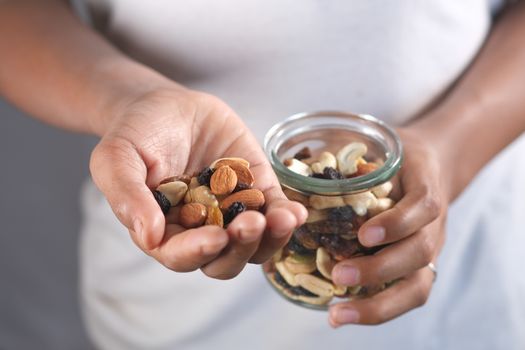
- $1: Offer a variety of seeds (sunflower, pumpkin), dried fruit (cranberries, apricots), and allergen-free chocolate chips, allowing team members to customize based on their needs. - $1: Individual cups filled with assorted veggies and a side of hummus or guacamole—easy to distribute and safe for most allergies. - $1: Blend rolled oats, sunflower seed butter, honey, and dried fruit into bite-sized balls. They’re quick to make, allergy-friendly, and provide balanced energy. - $1: Air-popped popcorn with different seasonings (herbs, nutritional yeast, mild spices) is light, shareable, and low in allergens.Always provide clear ingredient labels and check for team members’ sensitivities before serving.
Final Thoughts on Snacks for Optimizing Team Game Performance
Snacking isn’t just about curbing hunger—it’s a strategic tool for optimizing team performance, especially in collaborative settings. The right snacks can enhance mood, sustain energy, and foster clearer communication, all while accommodating the diverse needs of your group.
By focusing on balanced nutrition, hydration, and inclusivity, you can transform simple snack breaks into powerful moments for building trust, boosting morale, and ultimately achieving better results as a team. Next time you’re planning a team game or group activity, remember: what you eat together can be just as important as how you play together.