Video games are more than just lines of code—they are vibrant worlds inhabited by unforgettable characters. From iconic heroes like Lara Croft to quirky mascots like Sonic the Hedgehog, character design is at the heart of what makes a game memorable and emotionally resonant. But how do these digital personas come to life? The creative process of designing video game characters is a fascinating journey, blending imagination, artistry, psychology, and technical mastery. This article uncovers each stage of that journey, from the earliest spark of inspiration to the moment the character is finally brought to life in gameplay.
From Concept to Canvas: The Birth of an Idea
Every iconic game character begins with a simple idea—a personality, a visual quirk, or a function within the game world. The very first step in the creative process is brainstorming, where designers and writers collaborate to define the character’s role, backstory, and unique traits. This is a phase where creativity runs wild, but it is also rooted in research and planning.
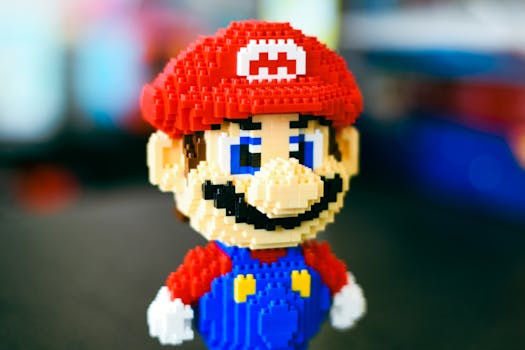
Take, for example, the creation of Geralt of Rivia from The Witcher series. CD Projekt Red’s narrative and design teams delved deep into Andrzej Sapkowski’s novels but also considered gameplay needs: Geralt had to be physically imposing, visually distinctive, and instantly readable as a monster hunter. Similarly, Nintendo’s Shigeru Miyamoto famously designed Mario’s hat and mustache as practical solutions to the graphical limitations of early hardware, resulting in a look that would become legendary.
.png)
This early phase often includes:
- Character bios and backstories - Mood boards with visual references from pop culture, history, or art - Initial sketches exploring different silhouettes and personalitiesAt this stage, the guiding question is always: What makes this character unique, and how will players connect with them?
Visual Exploration: Sketching, Iteration, and Refinement
Once the concept is clear, the process shifts into visual development. Concept artists create dozens—sometimes hundreds—of sketches and digital paintings, experimenting with shapes, proportions, and costumes. The goal is to find a look that is both original and functional within the game’s world.
According to a 2022 survey by GDC (Game Developers Conference), art teams typically create 50 to 150 concept iterations per main character before settling on a final design. These explorations might include:
- Different body types to express personality traits (e.g., tall and slender for elegance, broad and stocky for strength) - Color schemes that reflect the character's emotional arc or align with the game’s visual style - Accessories or props that reinforce backstory (like Aloy’s Focus in Horizon Zero Dawn)During this stage, collaboration is key. Designers, writers, and even gameplay programmers weigh in to ensure the look aligns with gameplay mechanics and narrative themes. Characters who wield heavy weapons, for instance, may require bulkier builds and specific animations.
Translating Art to 3D: Modeling and Texturing
With concept art locked in, the next milestone is 3D modeling. Here, digital sculptors use advanced tools like Blender, ZBrush, or Autodesk Maya to turn 2D sketches into fully realized, three-dimensional models.
This process involves several technical steps:
- Creating a low-poly base mesh that defines the character’s basic shape - Sculpting high-resolution details such as facial features, clothing folds, and muscle tone - Retopologizing the model to optimize it for real-time rendering - Applying textures and materials—skins, fabrics, metals—to give the character lifelike surface qualitiesFor context, a modern AAA game character can feature anywhere from 30,000 to 100,000 polygons, compared to just 1,000-2,000 in games from the early 2000s. This jump in fidelity allows for subtle expressions and intricate costumes, enhancing player immersion.
Breathe Life: Rigging, Animation, and Personality
A static model, no matter how beautiful, isn’t a character until it moves. Rigging is the process of building a skeleton of “bones” and “joints” beneath the model, allowing animators to pose and manipulate the character.
Animators then create a library of movements: walking, running, jumping, combat maneuvers, and idle animations that give the character personality even when the player isn’t pressing any buttons. The rise of motion capture technology has revolutionized this stage, allowing actors to perform movements that are then mapped onto digital characters.
For example, Naughty Dog’s The Last of Us Part II used over 200 hours of motion capture data to achieve the nuanced, human gestures of its cast. These details are not just aesthetic—they impact gameplay. A character’s movement speed, attack range, and even the way they interact with the environment are all defined during this phase.
Character Design by Genre: A Comparative Overview
Different game genres demand different approaches to character design. While a stylized platformer hero may emphasize bright colors and exaggerated features for instant recognition, a photorealistic RPG protagonist requires subtlety and detail for emotional engagement.
| Genre | Design Emphasis | Example | Key Considerations |
|---|---|---|---|
| Platformer | Silhouette, Color Contrast | Mario (Super Mario) | Instant recognition, readable at small sizes |
| Action RPG | Detail, Customization | Geralt (The Witcher 3) | Expressive faces, armor/weapon variety |
| First-Person Shooter | Utility, Clarity | Master Chief (Halo) | Distinct armor, team readability |
| Adventure | Storytelling through Design | Lara Croft (Tomb Raider) | Costume evolution, emotional range |
| Fighting | Unique Silhouettes, Expressive Moves | Chun-Li (Street Fighter) | Distinct stances, memorable attacks |
This table highlights how character design priorities shift to serve the gameplay and storytelling needs of each genre.
Implementation: Integrating Characters Into the Game World
Bringing a character into the game isn’t just about visuals and motion—it’s about integrating them with the game’s systems. This stage involves working closely with programmers and designers to ensure the character interacts seamlessly with the environment, physics, and gameplay mechanics.
Key aspects of implementation include:
- Collision detection: Making sure character models interact correctly with objects and obstacles - AI behaviors: Programming how non-player characters (NPCs) react to the player and the world - User interface (UI) elements: Incorporating character portraits, dialogue boxes, and health bars that reinforce personalityA good example is Overwatch, where each hero’s design extends to their unique abilities, voice lines, and even menus. This holistic approach ensures the character feels like an integrated part of the player’s experience, not just a visual asset.
Testing is also vital. Designers gather feedback from playtesters, tweak animations for clarity, or adjust color palettes for accessibility. According to a 2023 IGDA survey, over 60% of studios reported making significant character design changes after playtesting, highlighting the iterative nature of this stage.
The Lasting Impact of Thoughtful Character Design
The creative process of designing video game characters is both an art and a science. It requires balancing artistic inspiration with technical limitations, storytelling with gameplay, and individuality with cohesion. The most successful game characters—think Kratos, Samus Aran, or Ellie—resonate because every stage of their creation was approached with care, collaboration, and attention to detail.
This meticulous process not only shapes a game’s identity but also leaves a lasting mark on pop culture. According to a 2022 Statista report, over 65% of surveyed gamers stated that memorable characters are a primary reason they return to a game or series. As technology advances and storytelling becomes ever more ambitious, the creative process behind character design will remain at the core of gaming’s magic.