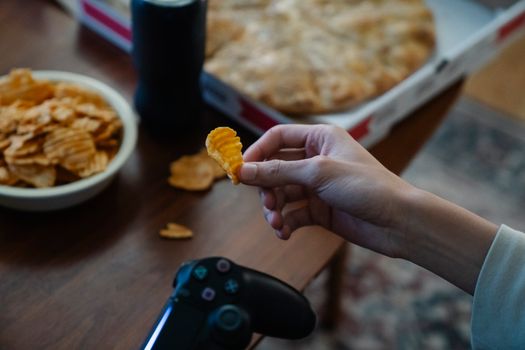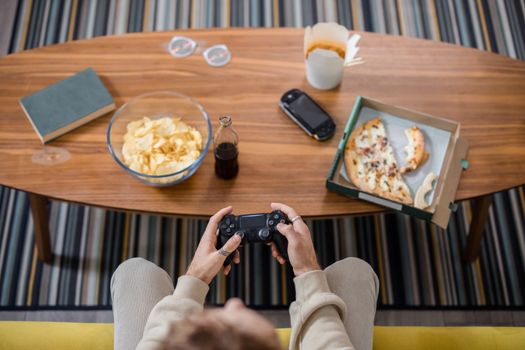
Gaming has evolved from a casual pastime into a major cultural and competitive force. In 2023, over 3.3 billion people worldwide played video games, making it one of the most popular leisure activities. While gaming offers excitement, achievement, and social connections, it also poses unique risks: one of the most significant is burnout. Burnout among gamers—whether casual, competitive, or professional—can lead to fatigue, decreased performance, and even mental health challenges. Understanding how to avoid burnout while gaming is essential for maintaining both enjoyment and well-being. In this article, we’ll dive into the less-discussed causes of gaming burnout and provide actionable prevention strategies that go beyond simply “taking breaks” or “balancing life,” offering fresh, research-backed insights for gamers of all kinds.
Understanding Gaming Burnout: What Makes It Different?
Burnout, in a general sense, is a state of emotional, physical, and mental exhaustion caused by prolonged stress or overexertion. In the gaming world, it manifests as a loss of motivation, irritability, poor in-game performance, and even physical symptoms like headaches or sleep disturbances.
Unlike workplace burnout, gaming burnout often stems from several unique factors:
.png) - $1 Games are designed to be immersive and rewarding, leading to extended play sessions without natural stopping points.
- $1 Online communities, leaderboards, and esports environments can create pressure to “keep up” or outperform others.
- $1 The constant pursuit of in-game rewards, ranks, or collectibles can make it difficult to step away.
- $1 Extended sedentary periods contribute to physical fatigue and cognitive slowdown.
- $1 Games are designed to be immersive and rewarding, leading to extended play sessions without natural stopping points.
- $1 Online communities, leaderboards, and esports environments can create pressure to “keep up” or outperform others.
- $1 The constant pursuit of in-game rewards, ranks, or collectibles can make it difficult to step away.
- $1 Extended sedentary periods contribute to physical fatigue and cognitive slowdown.
A 2022 study from the University of Saskatchewan found that 38% of frequent gamers reported feeling “burned out” at some point, with symptoms ranging from emotional numbness to declining enthusiasm for their favorite titles.
Recognizing the Early Warning Signs of Gaming Burnout
Preventing burnout starts with awareness. Many gamers don’t realize they’re burning out until motivation and enjoyment have already plummeted. Recognize these early warning signs:
- $1 Games that used to be fun now feel like chores. - $1 Increased frustration with in-game setbacks or teammates. - $1 Avoiding social events, skipping meals, or losing interest in hobbies outside gaming. - $1 Headaches, eye strain, sleep disturbances, or muscle stiffness. - $1 Feeling unable to stop playing even when not enjoying it.According to a 2021 survey by the Entertainment Software Association, 45% of gamers who experienced burnout said they ignored early symptoms, leading to more serious consequences like social withdrawal and academic or work-related issues.
Strategic Gaming: Setting Goals and Managing Expectations
One overlooked contributor to burnout is the lack of structured goals and realistic expectations. Many gamers fall into endless “grind” cycles, chasing achievements or rank-ups without a clear sense of progress.
Here’s how to set healthy gaming goals:
- $1 Instead of vague goals like “get better,” set specific milestones—such as reaching a certain rank, mastering a new skill, or completing a campaign on a higher difficulty. - $1 Limit intensive gaming sessions to specific periods (e.g., “I’ll play for 90 minutes tonight and focus on improving my aim in FPS games”). - $1 Recognize incremental improvements, not just big wins. This helps sustain motivation without exhaustion. - $1 Mute or hide leaderboards if they cause stress, and remind yourself that everyone progresses at their own pace.A study by the International Journal of Mental Health and Addiction (2020) found that gamers who set measurable, time-limited goals were 30% less likely to experience burnout than those who played without a plan.
Physical and Mental Wellness Practices for Gamers
Physical and mental self-care are crucial for preventing burnout but are often neglected by gamers. Here are science-backed strategies tailored specifically to gaming lifestyles:
- $1 Use the “20-20-20 Rule”—every 20 minutes, look at something 20 feet away for 20 seconds to reduce eye strain. Stand up, stretch, or do light exercises every hour. - $1 Dehydration can reduce cognitive performance by up to 10%, according to the European Hydration Institute. Keep water nearby and snack on brain-healthy foods like nuts or fruit instead of high-sugar energy drinks. - $1 Practice deep breathing or short mindfulness exercises between matches to reset your mind. Even 5 minutes of guided meditation can lower stress hormones by 15%, based on findings from the Journal of Behavioral Medicine. - $1 Power down screens at least 30 minutes before bedtime to avoid blue light disruption. Aim for 7-9 hours of sleep; research shows gamers sleeping less than 6 hours are twice as likely to report burnout symptoms.Below is a comparison table of common gamer habits and their impact on burnout risk:
| Habit | Burnout Risk Level | Prevention Tip |
|---|---|---|
| Playing for 4+ hours without breaks | High | Schedule short breaks every hour |
| Using energy drinks and junk food | Medium | Switch to water and healthy snacks |
| Ignoring sleep for late-night gaming | Very High | Set a non-negotiable bedtime |
| Playing with toxic or negative teammates | High | Mute/block and seek positive communities |
| Setting achievable daily goals | Low | Focus on small, enjoyable milestones |
Community and Social Dynamics: Building Healthy Gaming Relationships
The social side of gaming can be both a buffer against burnout and a source of stress. Toxic environments, relentless competition, or feeling pressured to play “for the team” can quickly sap the joy from gaming. Here’s how to foster positive social dynamics:
- $1 Play with friends or join groups that encourage positivity and mutual support. Avoid or mute individuals who are consistently negative or demanding. - $1 It’s okay to say “no” to game invites or step away from group obligations. Communicate your schedule and limits clearly. - $1 Balance ranked or high-stakes play with casual modes, creative sessions, or community events that focus on fun rather than competition. - $1 If you’re part of a clan or guild, suggest wellness check-ins or off-topic chats to build camaraderie beyond the game.A 2023 report by Newzoo found that players engaged in healthy online communities were 25% less likely to report feelings of isolation or burnout compared to those in more toxic environments.
Switching Things Up: The Power of Variety and Creative Play
Monotony is a major, often overlooked, driver of burnout. Playing the same game or mode repeatedly can lead to mental fatigue and declining engagement. Injecting variety and creativity into your gaming routine can refresh your enthusiasm.
- $1 Try different types of games—switch from fast-paced shooters to relaxing puzzle or simulation titles. - $1 Invent your own in-game challenges, such as playing with unusual rules or experimenting with new strategies. - $1 Dive into mods, custom maps, or community-created quests to experience fresh content. - $1 Avoid games or modes that require repetitive actions with little variation. Instead, focus on experiences that offer new stories, mechanics, or cooperative play.A 2022 survey by Statista found that 57% of gamers who regularly alternated between genres or tried new games reported higher overall satisfaction and lower rates of burnout.
Final Thoughts on Avoiding Burnout While Gaming
Gaming should be a source of relaxation, excitement, and connection—not a cause of exhaustion or stress. Burnout is a real risk for gamers of all backgrounds, but with proactive strategies, it’s entirely preventable. By recognizing the signs early, setting intentional goals, prioritizing physical and mental well-being, fostering positive social circles, and embracing variety, you can maintain your love for gaming while keeping burnout at bay. Remember: longevity in gaming comes from treating it as part of a balanced, fulfilling lifestyle—not as a relentless grind.